

Not every domestic violence charge in North Carolina carries the same level of seriousness. Some cases remain misdemeanors, while others become more severe based on specific facts. If you are facing a charge, it helps to know that particular details can directly affect how the case is charged and handled.
Several circumstances can make a domestic violence charge more serious under North Carolina law. These may include prior incidents, the nature of the alleged conduct, or behavior connected to stalking laws in NC and related harassment claims. When these factors are present, the legal consequences may increase, including longer jail terms, felony charges, firearm restrictions, or court-issued protective orders.
Understanding what can increase the seriousness of a charge clarifies a process that often feels uncertain. At Martine Law, we help you make sense of how these factors are typically viewed, so you can better understand the legal landscape ahead.
Call us now to discuss your case and get guidance today.
How North Carolina Defines Domestic Violence and Why It Matters
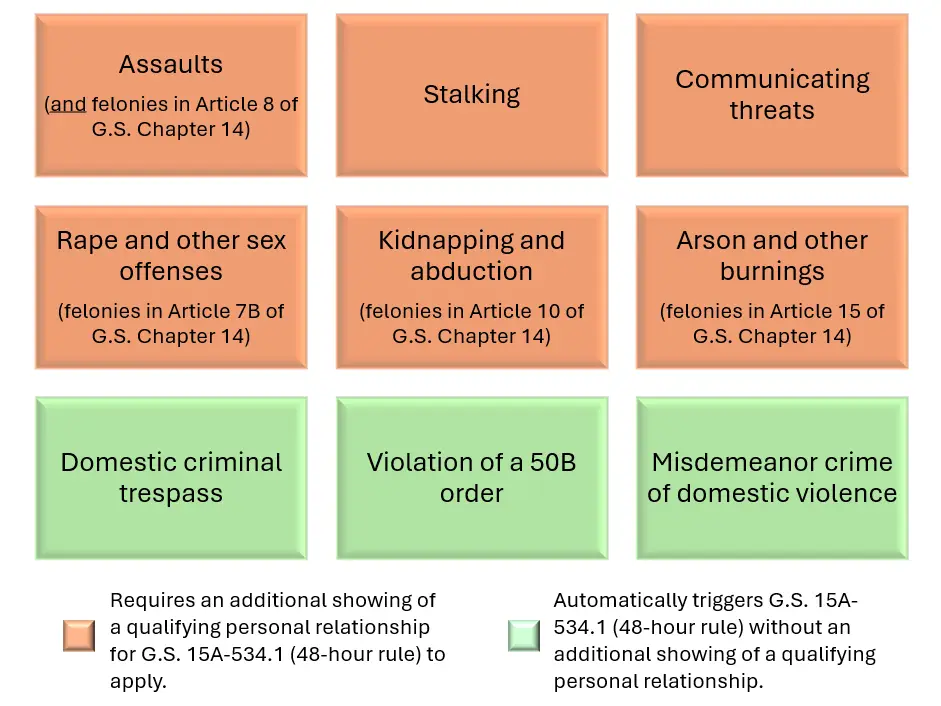
Under North Carolina General Statutes § 50B-1, domestic violence is defined by the relationship between the people involved, not by a specific criminal charge. This means the same behavior can lead to very different legal consequences depending on who the people are and how their relationship is defined under the law.
A qualifying domestic relationship may include spouses or former spouses, people who are dating or previously dated, family members, or individuals living in the same household. Domestic violence is not a standalone charge. Instead, it applies to underlying offenses such as:
- Assault
- Stalking
- Harassment
- Threats or intimidation
When aggravating factors are present, these offenses may be charged more seriously, leading to higher penalties and long-term legal consequences.
How the Law Determines the Severity of Domestic Violence Charges
Domestic violence charges in North Carolina can be either misdemeanors or felonies, depending on the circumstances and severity.
| Aspect | Misdemeanor Domestic Violence | Felony Domestic Violence |
| Severity | Less severe, lower penalties | More serious, higher penalties |
| Jail/Prison | Up to 1 year | More than 1 year, may include state prison |
| Record | Criminal record, but less lasting impact | Permanent felony record |
| Firearm Restrictions | May apply | Typically applies immediately |
| Common Examples | Simple assault, minor threats | Assault causing serious injury, repeated offenses, stalking |
Even the same incident can be charged differently depending on prior history, harm caused, or aggravating factors. Prosecutors and judges evaluate these elements carefully to determine the appropriate charge level. Knowing the difference helps you understand potential consequences, how the case may proceed, and what factors could increase penalties.
Key Factors That Can Make a Domestic Violence Charge More Serious in North Carolina
Domestic violence charges in North Carolina can vary in severity. Certain factors can escalate penalties, determine whether a charge is a misdemeanor or felony, and influence how courts evaluate the case and potential legal consequences.
1. Severity of the Alleged Injury
Charges become more serious when an alleged victim sustains significant harm. Minor injuries are generally treated differently than broken bones, strangulation marks, or loss of consciousness. Courts consider medical records, photographs, and other evidence when evaluating the severity.
2. Use of a Deadly Weapon
If a weapon such as a firearm, knife, or blunt object is involved, charges can escalate to felony-level offenses. Weapon involvement also increases potential sentencing and pretrial conditions.
3. Strangulation Allegations
Strangulation is considered particularly dangerous in North Carolina. Even if there are no visible injuries, allegations of strangulation can result in felony charges. Courts also consider the long-term health risks when evaluating the case.
4. Presence of a Child During the Incident
If a child witnesses domestic violence, this is treated as an aggravating factor. It can affect custody, trigger involvement from child protective services, and influence sentencing, as courts prioritize child safety.
5. Prior Domestic Violence Convictions
Past convictions can escalate a current misdemeanor to a felony. Repeat-offender treatment under North Carolina law often results in stricter penalties.
6. Violation of a Protective or Restraining Order
Violating a Domestic Violence Protective Order automatically increases the seriousness of charges. Courts treat these violations separately, and penalties can be more severe.
7. Allegations of Ongoing or Repeated Abuse
A pattern of repeated abuse, supported by texts, emails, or call logs, can raise the severity of charges. Prosecutors pay particular attention to ongoing risk to the victim.
8. Use of Threats, Coercion, or Intimidation
Verbal threats, stalking, and harassment contribute to more serious charges. Courts consider the fear and control dynamics in pretrial conditions and bond decisions.
9. Victim Vulnerability
Pregnant individuals, the elderly, or people with disabilities are considered particularly vulnerable. Courts weigh this heavily when evaluating charges and potential penalties.
10. Alcohol or Drug Involvement
Substance use during the incident can elevate charges and influence sentencing. Mandatory treatment or monitoring may also be imposed.
11. Location of the Incident
Incidents in public spaces, workplaces, schools, or shared residences often receive increased scrutiny, which can affect the severity of charges.
12. Failure to Comply With Law Enforcement
Resisting arrest or interfering with investigations can lead to additional criminal charges and increase overall consequences.
Understanding these factors can help you anticipate how a case might proceed and what elements may increase legal consequences. If you are facing a domestic violence charge in North Carolina, our domestic violence attorneys are here to guide you through the process, explain your options clearly, and help you navigate the legal system with confidence.
How Courts and Prosecutors Assess Domestic Violence Cases in North Carolina
No single factor automatically determines how a domestic violence charge is handled. Courts and prosecutors evaluate the totality of the circumstances to assess charges and potential penalties. Key elements they consider include:
- Quality and reliability of evidence, including medical records and photographs
- Witness statements and the credibility of all parties involved
- Severity and pattern of alleged behavior
- Public safety, victim protection, and adherence to legal standards
Understanding this approach can help you see how multiple factors work together to influence the outcome.
What Happens When Domestic Violence Charges Become More Serious
More serious domestic violence charges in North Carolina can carry significant legal consequences. Understanding these potential outcomes early can help you plan and respond appropriately. Possible consequences include:
- Longer jail or prison sentences, depending on felony classification
- A permanent criminal record affects future opportunities
- Restrictions on firearm possession under state and federal law
- Long-term effects on employment, housing, custody arrangements, and immigration status
Being aware of these consequences allows you to navigate the legal process more effectively and understand the stakes involved.
Why the Details of a Domestic Violence Case Matter
Domestic violence charges in North Carolina are highly fact-specific, and even small details can significantly influence how a case is handled. Factors such as the severity of injuries, use of weapons, prior convictions, or the presence of children can all change potential penalties and whether a charge is a misdemeanor or felony.
Understanding these elements helps you grasp the seriousness of the allegations and what might affect the outcome. Being aware of these factors early helps you navigate the legal process with greater clarity.
Book a consultation call with Martine Law at (704) 842-3411 to understand what could make your domestic violence charges more serious.
FAQs About Seriousness of Domestic Violence Charges in North Carolina
- Is strangulation always charged as a felony in North Carolina?
Strangulation is typically treated as a felony due to its severity, but charges may vary if injuries are minimal or circumstances differ. Prosecutors review the evidence and context before determining the appropriate charge.
- Can a domestic violence charge become more serious after arrest?
Yes, charges can be upgraded based on evidence collected during the investigation, including medical reports, witness statements, prior convictions, or aggravating factors, which can move a case from misdemeanor to felony classification.
- Does the alleged victim have to cooperate for charges to proceed?
No. Prosecutors can pursue domestic violence charges even without victim cooperation. Decisions are based on available evidence, witness testimony, and law enforcement findings rather than solely on the victim’s participation.
- How does a domestic violence charge affect gun ownership in NC?
A domestic violence conviction may restrict firearm possession under both state and federal law. Felony convictions and certain protective order violations can prevent legally owning or purchasing guns for extended periods.
- Can domestic violence charges impact child custody cases?
Yes. Courts consider allegations and convictions when determining custody and visitation. Evidence of serious or repeated domestic violence can influence parenting arrangements and the court’s focus on child safety.