Driving while impaired (DWI) laws in North Carolina can be complex, and we often hear the same questions: what happens if you refuse a field sobriety test but agree to a breath test?
Understanding the legal consequences of your choices during a traffic stop is critical, as they can affect your license, criminal charges, and potential defenses.
At Martine Law, we help clients facing DWI charges understand their rights, evaluate options, and protect their driving privileges and legal interests.
Field sobriety tests vs. breath tests
Field sobriety tests (FSTs)
Field sobriety tests are physical exercises conducted roadside to determine impairment. Common tests include:
- Walk-and-turn
- One-leg stand
- Horizontal gaze nystagmus
Important points:
- FSTs are voluntary; you can refuse them.
- Refusal alone cannot be used as evidence of guilt in a criminal DWI trial.
- However, police may use refusal to support license suspension under the implied consent law.
Breath tests
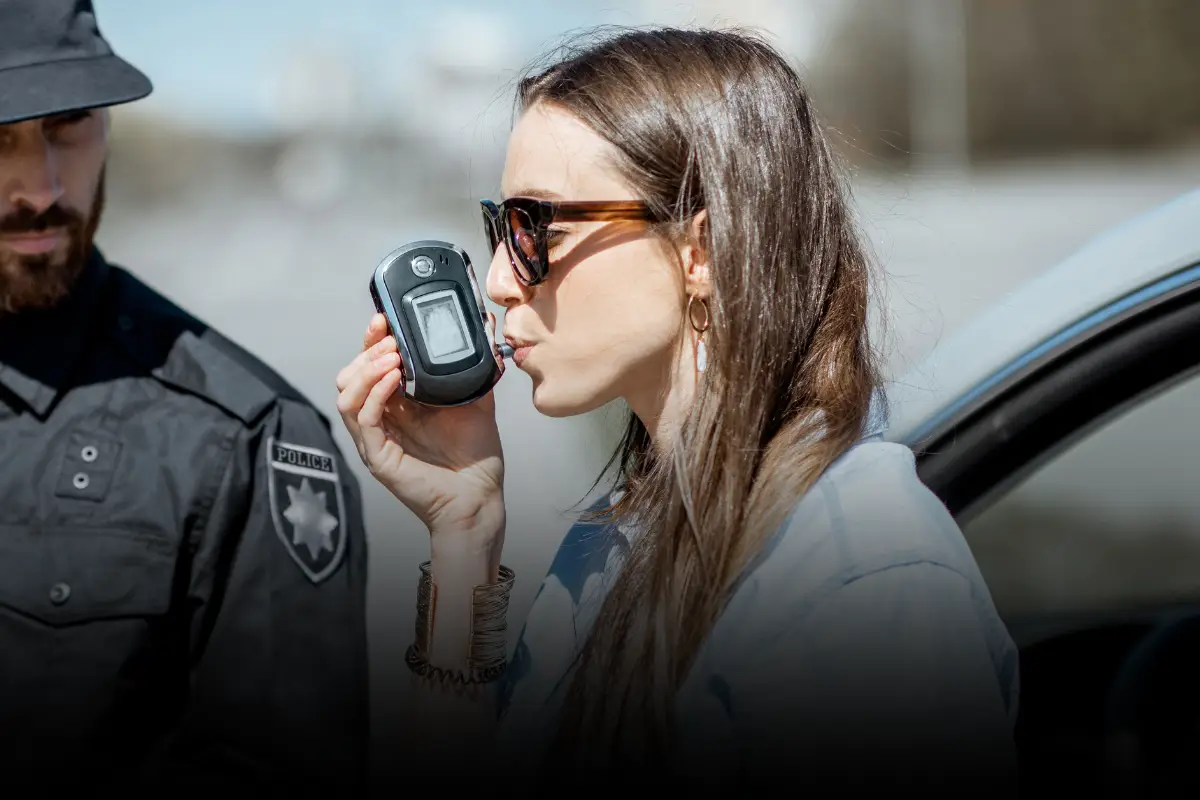
Breath tests measure blood alcohol concentration (BAC) through devices such as a breathalyzer.
- In North Carolina, the implied consent law requires drivers to submit to chemical tests if lawfully arrested for DWI.
- Refusing a breath test carries automatic penalties, including license revocation.
What happens if you refuse FSTs but agree to a breath test?
- No automatic criminal penalty for refusing FSTs
- Your refusal cannot be used as a direct criminal charge in court.
- Officers may document the refusal, but it is generally not admissible as evidence of impairment in trial.
- Breath test submission protects you under implied consent law
- By agreeing to a breath test, you comply with North Carolina’s chemical testing requirement.
- This prevents automatic license suspension for refusal, which applies if you decline a breath test.
- Potential DWI charges still apply
- Even if you refuse FSTs but take a breath test, DWI charges can proceed if the test shows a BAC over the legal limit (.08% for most drivers).
- Results can be used as evidence in court to prove impairment.
- Legal strategy implications
- Refusing FSTs while submitting to a breath test may limit evidence challenges.
- Skilled North Carolina DWI attorneys can review breath test procedures, calibration, and administration to identify potential defenses.
Consequences under North Carolina law
License consequences
- Refusing FSTs: No automatic license penalty.
- Submitting to a breath test: Your license is protected from immediate revocation, though it could still be suspended if BAC exceeds the legal limit.
Criminal consequences
- DWI conviction may result in:
- Fines ranging from $200 to $2,000 depending on offense level
- Jail time, typically 24 hours to 150 days for a first offense
- Probation or community service
- Mandatory alcohol education or treatment programs
- The breath test result is primary evidence for the charge.
What should you do during a traffic stop?
- Know your rights
- You may refuse field sobriety tests without criminal penalties.
- Refusing a breath test carries immediate consequences under implied consent law.
- Be polite and compliant
- Arguing with officers or resisting arrest can create additional charges, including assault or obstruction.
- Contact an attorney immediately
- A North Carolina DWI lawyer can evaluate the stop, test results, and procedural compliance.
- Document your experience
- Record details about the stop, officer conduct, and circumstances surrounding the tests.
Don’t go through it alone; call a criminal defense lawyer.
Key takeaways or legal advice
- Refusing a field sobriety test does not create a criminal charge, but can be noted by officers.
- Submitting to a breath test protects your license under the implied consent law.
- DWI charges may still proceed based on BAC results.
- Early legal guidance is crucial to challenge test results, procedural errors, or other defenses.
At Martine Law, we help clients facing DWI charges understand their rights, navigate evidence, and protect their driving privileges. Call us for a confidential consultation, or learn more on our North Carolina DWI lawyer page.