When you’re pulled over for a suspected DWI (Driving While Impaired) in North Carolina, the officer will likely ask you to perform a series of field sobriety tests or take a breath test. What many drivers don’t realize is that these two types of tests are very different—and so are the consequences for refusing them.
Knowing your rights and the legal distinctions between roadside tests and chemical tests can protect you from unintentionally making your situation worse.
At Martine Law, we’ve helped hundreds of North Carolina drivers navigate DWI stops, refusals, and license suspensions. Our goal is to make sure you understand your options before making a decision that could impact your license, your record, and your freedom.
You can review relevant laws under N.C. Gen. Stat. § 20-16.2 and § 20-138.1, which outline implied consent and DWI procedures.
Understanding the Two Types of Tests
During a DWI stop, officers use two main types of testing to assess impairment:
- Roadside (field) sobriety tests – physical and behavioral tests conducted before an arrest.
- Chemical tests – breath, blood, or urine tests used after arrest to measure alcohol concentration or detect drugs.
Let’s break down what each one means—and what happens if you refuse.
1. Roadside (Field Sobriety) Tests
These are the coordination and balance exercises officers ask drivers to perform on the side of the road. Common examples include:
- The walk-and-turn test
- The one-leg stand test
- The horizontal gaze nystagmus (eye movement) test
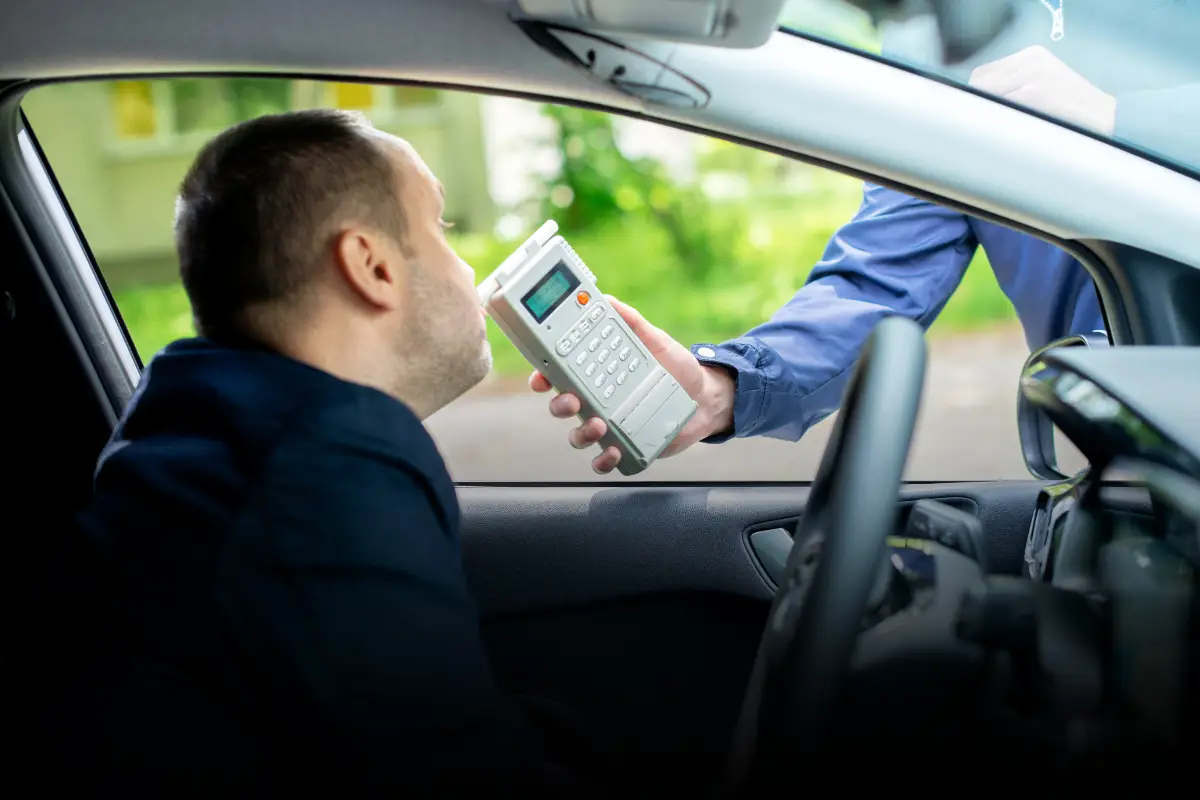
The officer may also use a portable breath test (PBT) at the scene—a handheld device to estimate blood alcohol concentration.
Are You Required to Take Them?
No. In North Carolina, you are not legally required to perform field sobriety tests or the roadside PBT.
These tests are voluntary. Officers often phrase their requests as if you must comply, but you can politely decline.
Why You Might Refuse
Field tests are subjective and easy to fail even when sober. Factors such as:
- Uneven ground
- Poor lighting
- Anxiety or nervousness
- Physical conditions or age
can all affect performance.
Refusing field tests does not automatically result in penalties—but it can make the officer suspicious and may lead to arrest based on other observations. Still, refusing may prevent the officer from collecting weak or misleading evidence against you.
2. Chemical (Breath, Blood, or Urine) Tests
Once you are arrested for DWI, the situation changes. You are then subject to North Carolina’s implied consent law, which states that by driving in the state, you consent to a chemical test of your breath, blood, or urine if lawfully arrested for impaired driving.
These tests are conducted at a police station or medical facility, not on the roadside.
Can You Refuse?
Yes—but refusing a chemical test carries serious, automatic consequences, even if you aren’t convicted of DWI.
Under N.C. Gen. Stat. § 20-16.2, if you refuse a chemical test:
- The officer must immediately revoke your driver’s license for 30 days.
- The DMV will impose a one-year license revocation for refusal, separate from any criminal case.
- The refusal can be used as evidence against you in court to suggest consciousness of guilt.
You have the right to contact an attorney and delay the test for up to 30 minutes to consult with counsel or have a witness present. However, delaying beyond that time may be treated as a refusal.
The Difference Between Roadside and Breath Test Refusals
| Type of Test | When It Happens | Legal Requirement | Refusal Consequence |
| Field Sobriety Tests | Before arrest | Voluntary | No automatic penalty; may lead to arrest |
| Portable Breath Test (PBT) | Before arrest | Voluntary | No automatic penalty; officer can still arrest |
| Chemical Breath/Blood Test | After arrest | Required under implied consent | 1-year license revocation and possible evidence in court |
In short: You can refuse roadside tests without automatic penalty, but refusing the official breath or blood test after arrest will cost you your license.
Why Officers Still Make an Arrest After Refusal
Many drivers believe that refusing a breath test prevents the state from proving impairment. Unfortunately, that’s not always true.
Prosecutors can still rely on:
- Officer observations (slurred speech, red eyes, odor of alcohol)
- Driving behavior (swerving, speeding, etc.)
- Witness testimony
- Video footage from body or dash cameras
- Statements made during the stop
So while refusing may deny the state direct BAC evidence, it doesn’t guarantee your case will be dismissed. A skilled defense attorney can help you evaluate whether refusal helped or hurt your case based on the specific circumstances.
How Refusal Affects Your Driver’s License
If you refuse a post-arrest chemical test, the Division of Motor Vehicles (DMV) will automatically suspend your license for 12 months—even before your criminal case is resolved.
However, you may be eligible to:
- Request a limited driving privilege after six months (for first-time offenders).
- Appeal the revocation within 10 days of receiving notice.
If you did not receive proper implied consent warnings, or if the officer made procedural errors, your attorney may challenge the suspension and request a hearing before the DMV.
Defending Against a DWI After Refusal
At Martine Law, we build your defense by examining every step of the traffic stop and testing process. Common defenses include:
- Lack of reasonable suspicion or probable cause for the initial stop
- Improperly administered field or breath tests
- Failure to give proper implied consent notice
- Medical or physical conditions affecting test results or officer observations
- Violation of your right to counsel before chemical testing
In many cases, procedural mistakes or weak evidence can lead to reduced charges or dismissal.
Practical Tips During a DWI Stop
- Stay calm and respectful. Do not argue or resist.
- Provide basic information only. You must show ID, registration, and proof of insurance.
- Politely decline field sobriety and roadside PBT tests. They are voluntary.
- If arrested, request to speak to an attorney. You have the right to a 30-minute consultation before chemical testing.
- Do not volunteer information or admit to drinking or medication use. Anything you say can be used against you.
A calm, respectful demeanor combined with knowing your rights often helps your defense later.
How Martine Law Can Help
At Martine Law, we understand how intimidating a DWI stop can be. Our experienced North Carolina defense attorneys handle every aspect of DWI cases—from roadside refusals to chemical test challenges and DMV hearings.
We will:
- Review bodycam footage and officer reports for constitutional violations.
- Challenge the legality of the stop or arrest.
- Defend you against refusal suspensions.
- Seek to reduce or dismiss charges whenever possible.
Our goal is to protect your license, your record, and your future.
If you’ve been charged with DWI—or refused testing during a stop—don’t face it alone.
Contact Martine Law today for a confidential consultation with an experienced DWI defense lawyer.