

When a felony case in North Carolina moves toward trial, it often means key issues were not resolved through dismissal or negotiation. The court process becomes more structured, deadlines carry greater weight, and early decisions can shape how your case proceeds. Under North Carolina law, a felony is an offense punishable by more than one year in prison under N.C. Gen. Stat. § 14-1.
If your case is moving toward trial, understanding the felony trial process in NC helps you know what to expect and why preparation matters. Trial preparation often includes reviewing evidence, filing legal motions, and planning strategy. Working with a felony trial lawyer in North Carolina can help you understand each step and make informed decisions throughout the process.
At Martine Law, our felony lawyers help you navigate each stage of the court process with local knowledge, careful preparation, and clear communication. Book a free consultation call with our experts before you go to court to discuss your situation and get reliable guidance.
When a Felony Trial Becomes the Next Step in North Carolina
In North Carolina, not every felony case resolves through a plea agreement. Sometimes, moving toward trial becomes the natural next step based on how the case develops. This is a common part of the felony trial process in NC and does not mean anything has been decided yet.
A case may proceed to trial when:
- Plea negotiations do not align with your defense goals or the evidence
- The prosecutor and defense have different views on the facts or legal issues
- Key motions or evidence raise questions that need a jury’s review
- Your rights or defenses are better addressed in court
When these factors come into play, a trial allows both sides to present their positions fully, with the judge and jury determining how the case moves forward.
What Happens Behind the Scenes Before a Felony Trial Begins
Long before a courtroom date appears on the calendar, trial preparation is already underway. This stage focuses on understanding the complete picture of your case and identifying where legal and factual issues may arise. Much of this work occurs quietly, but it plays a meaningful role in shaping the case.
Reviewing Evidence and Building a Defense Strategy
Your legal team reviews discovery materials, including police reports, witness statements, and forensic findings. The goal is to identify strengths, weaknesses, and potential defenses, and to plan how to challenge or present evidence at trial.
Pretrial Motions That Can Affect the Case
A felony trial lawyer in North Carolina may file pretrial motions to suppress evidence, seek dismissal of charges, or limit what the jury can hear, depending on how the case was handled.
Taken together, these early steps help shape trial readiness and clarify what issues may ultimately be decided in court.
When Your Felony Case Enters the Courtroom for Trial
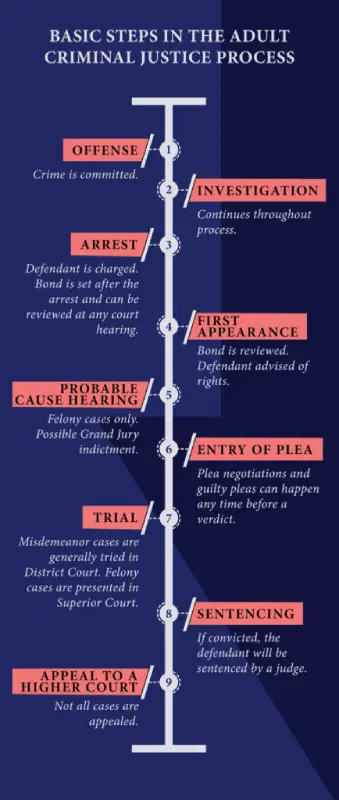
Once your case is officially called for trial, the process moves to the public courtroom. This phase focuses on selecting a jury and presenting each side’s case. Understanding these steps helps you follow how the felony trial process in North Carolina typically unfolds.
Jury Selection and Why It Matters
Jury selection, known as voir dire, is the process in which the court and attorneys question potential jurors. This helps ensure jurors can remain fair, follow the law, and evaluate evidence without bias.
Opening Statements and How the Case Is Framed
During opening statements, prosecutors outline the charges and evidence, while the defense explains its position and challenges the state’s claims. A felony trial lawyer in North Carolina uses this moment to introduce key themes and issues.
Together, these early trial stages set the framework for how the jury will interpret evidence and testimony.
How Evidence and Testimony Shape a North Carolina Felony Trial
Once opening statements are complete, the trial moves into the evidence phase. This is where testimony, documents, and physical evidence are presented to the jury for consideration. These steps are central to the felony trial process in NC and often determine how the facts are evaluated.
The Prosecution’s Case and Burden of Proof
The prosecution presents witnesses and evidence first. The state carries the burden of proving each element of the charge beyond a reasonable doubt, often through law enforcement officers, experts, and other witnesses.
Defense Strategy and Cross-Examination
The defense closely reviews the state’s evidence and may question witnesses to assess credibility, accuracy, and reliability. A felony trial lawyer in North Carolina focuses on identifying gaps, inconsistencies, or legal issues in the prosecution’s case.
Together, these stages allow both sides to present and challenge the evidence before the jury weighs the facts.
Your Role and Legal Rights During a North Carolina Felony Trial
While your attorney handles most courtroom advocacy, you still play an essential role throughout the trial. Understanding your rights and what is expected of you can help the process move smoothly and avoid unnecessary issues.
Deciding Whether You Testify
You have the constitutional right to remain silent, and you cannot be required to testify against yourself. In some cases, a defendant may choose to testify; in others, it may not be appropriate. This decision is typically discussed carefully with your attorney based on the facts of your case.
Courtroom Conduct and What to Expect
During the trial, respectful behavior, appropriate dress, and limited communication in court are expected. Your attorney will guide you on when and how to communicate and what courtroom procedures may apply.
Knowing your role helps you stay informed and prepared as the trial continues.
What the Jury’s Decision Means and What Follows
After all the evidence and closing arguments are complete, the case moves to jury deliberation. Jurors review the evidence and apply the law as instructed by the judge. Possible outcomes include a guilty verdict, a not guilty verdict, or a mistrial if the jury cannot reach a unanimous decision.
Jury Deliberation and Verdict Options
The jury deliberates privately and must reach a unanimous verdict in felony cases. Each outcome carries different legal consequences and next steps.
What Happens After the Verdict
If convicted, sentencing may occur immediately or at a later hearing. In some cases, post-trial motions or appeals may be available. A felony trial lawyer in North Carolina can explain what options may exist after the verdict and how the process continues.
Understanding this stage helps you prepare for what comes after the trial concludes.
Why Trial Experience Matters in a North Carolina Felony Case
Once a felony case reaches trial, decisions are often made quickly and in the courtroom. Strategy is no longer theoretical. It plays out in real time through evidence, objections, and witness testimony. This is a critical stage of the felony trial process in NC, where experience can make a meaningful difference.
Working with a felony trial lawyer in North Carolina can matter because it involves:
- Making strategic decisions during witness examination and cross-examination
- Responding promptly to evidentiary issues and courtroom objections
- Understanding how local judges manage trials and apply courtroom rules
- Recognizing how juries and prosecutors typically approach felony cases
This trial-focused experience helps keep the case centered on the legal issues that matter while protecting your rights throughout the process.
Preparing for Road Ahead in a North Carolina Felony Trial
Knowing how a felony trial typically unfolds in North Carolina gives you a clearer sense of what lies ahead. When you understand the process, the courtroom steps, and your role throughout, it becomes easier to focus on preparation rather than uncertainty. A felony trial is a serious legal matter, and the decisions made during this stage can carry long-term consequences that affect many parts of your life.
With accurate information, you can ask the right questions and make informed decisions about your defense. If you want steady guidance from a legal team that understands North Carolina felony trials, Martine Law is here to help.
Get in touch today to discuss your case and next steps by calling (704) 842-3411.
FAQs About Felony Trials in North Carolina
How long does a felony trial usually last in North Carolina?
The length of a felony trial in North Carolina depends on the complexity of the case, the number of witnesses, and the evidence involved. Some trials last a few days, while others may extend over several weeks.
Can a felony case still settle after trial preparation begins?
Yes, a felony case may still be resolved through a plea agreement even after trial preparation has started. Negotiations can continue up to, and sometimes during, the trial if both sides believe a deal is appropriate.
Is going to trial riskier than accepting a plea deal?
Both options carry potential risks and benefits. A trial allows a jury to hear the case, while a plea agreement provides more predictability. The right approach depends on the evidence, charges, and individual circumstances.
Will I be taken into custody immediately after a guilty verdict?
Whether you are taken into custody after a guilty verdict depends on your bond status, the nature of the charges, and the judge’s decision. Some defendants remain free until sentencing, while others may be held.
Do all felony trial lawyers handle jury trials regularly?
Not all felony lawyers regularly handle jury trials. Some focus on negotiations or pretrial resolutions. Working with a lawyer who has actual trial experience can be important once a case is headed to court.