


Getting charged with a DWI (Driving While Impaired) in North Carolina can have serious and lasting effects. In some states, people who have been convicted of multiple DWIs are required to use special license plates called whiskey plates. If you’ve heard about whiskey plates and are wondering whether they exist in North Carolina, here’s everything you need to know.
At Martine Law, we understand how confusing DWI laws can be, especially when you’re already under stress. Our criminal defense attorneys in North Carolina are here to help you understand your rights and options if you’re facing an impaired driving charge.
Contact a DWI lawyer today.
What Are Whiskey Plates?
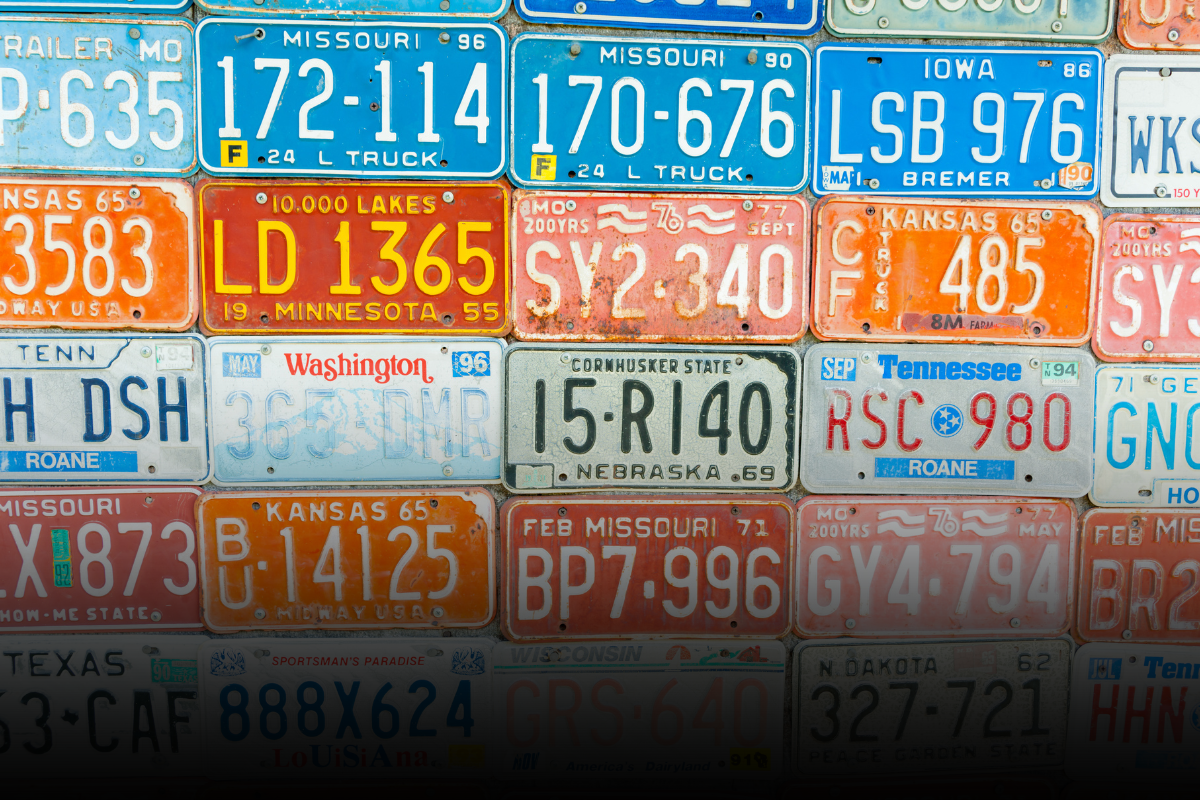
Whiskey plates are special license plates issued to drivers who have been convicted of multiple DWI offenses. They are most commonly used in Minnesota, not in North Carolina.
These plates are easily recognizable because they start with the letter “W.” The “W” stands for “whiskey,” which comes from the phonetic alphabet used in law enforcement and the military.
The purpose of whiskey plates is to identify vehicles belonging to repeat DWI offenders. Law enforcement can quickly recognize these vehicles, making it easier for officers to monitor and identify potential repeat offenses.
Why Some States Use Whiskey Plates
Whiskey plates are meant to serve as a deterrent. The idea is that visible identification can discourage repeat drunk driving and help police keep an eye on high-risk drivers.
For example, in Minnesota, whiskey plates are issued when:
- A driver is convicted of multiple DWIs within a certain time frame.
- The driver’s blood alcohol content (BAC) exceeds the legal limit by a large margin.
- The driver refuses to take a breath, blood, or urine test.
You can learn more about DWI laws in North Carolina at the North Carolina General Statutes Chapter 20, which covers motor vehicle laws and penalties.
However, unlike Minnesota, North Carolina has not adopted the whiskey plate system.
Do Whiskey Plates Exist in North Carolina?
No. North Carolina does not use whiskey plates.
Instead, the state enforces other strict penalties for DWI offenders. These penalties aim to hold offenders accountable and keep roads safe, without public labeling.
If you’re convicted of a DWI in North Carolina, the Department of Motor Vehicles (DMV) can revoke your license or require an ignition interlock device, but you will not receive special license plates.
How Does North Carolina Handle DWI Offenses?
Even though whiskey plates aren’t used in North Carolina, DWI laws here are some of the toughest in the country.
Here’s what you could face if convicted:
- License Suspension or Revocation: Your driving privileges may be suspended for one year or longer.
- Ignition Interlock Device (IID): You may be required to install an IID on your vehicle to prevent further impaired driving.
- Fines and Jail Time: Depending on the severity and number of offenses, fines can reach thousands of dollars and may include mandatory jail time.
- Criminal Record: A DWI conviction remains on your record permanently, affecting employment and insurance rates.
To understand these penalties in detail, visit the North Carolina Department of Public Safety’s DWI laws section.
If you’re facing a DWI charge, contact Martine Law today. Acting quickly can protect your driving privileges and your future.
What Should You Do If You’re Charged With a DWI in NC?
If you’re charged with a DWI in North Carolina, don’t panic. There are steps you can take to protect your rights.
- Do not admit guilt. Anything you say can be used against you later.
- Request legal representation. Always ask for an attorney before answering police questions.
- Document everything. Write down details about your arrest, including time, place, and officer interactions.
- Contact a criminal defense lawyer. A local attorney familiar with North Carolina law can guide you through the next steps.
At Martine Law, our North Carolina DWI defense lawyers know the local courts and laws. We work to reduce penalties, challenge improper testing, and protect your license.
Call us at +1 (704) 842-3411 for a consultation.
Why North Carolina Chooses a Different Approach
North Carolina focuses on rehabilitation and prevention, rather than public identification. The state’s system is designed to reduce repeat offenses while respecting privacy and due process.
Instead of whiskey plates, the court may require:
- Mandatory alcohol education or treatment.
- Probation and community service.
- Use of ignition interlock devices for repeat offenders.
These measures aim to change behavior and reduce reoffending, without marking vehicles or embarrassing drivers publicly.
Do You Need a Lawyer for a DWI Case in North Carolina?
Technically, you can represent yourself in a DWI case. But it’s risky. DWI laws in North Carolina are complex and highly technical. One mistake in your defense can have serious consequences.
A skilled DWI lawyer can help by:
- Reviewing the legality of your traffic stop.
- Challenging the results of breath or blood tests.
- Negotiating reduced penalties or dismissals.
- Representing you in court to protect your rights.
If you’ve been charged with a DWI, don’t face it alone. Contact Martine Law to discuss your case today. Our attorneys are available 24/7 to help.
Key Takeaways
- Whiskey plates are special license plates used in Minnesota, not North Carolina.
- North Carolina does not use whiskey plates, but DWI penalties are still serious.
- You may face license suspension, fines, and jail time after a DWI conviction.
- Ignition interlock devices are often required for repeat offenders.
- Hiring a DWI attorney gives you the best chance to protect your future.
If you’re dealing with a DWI charge, Martine Law can guide you through the process. We’ll help you understand your rights, build your defense, and work toward the best possible outcome.
Call Martine Law today at +1 (704) 842-3411 for a free consultation.