


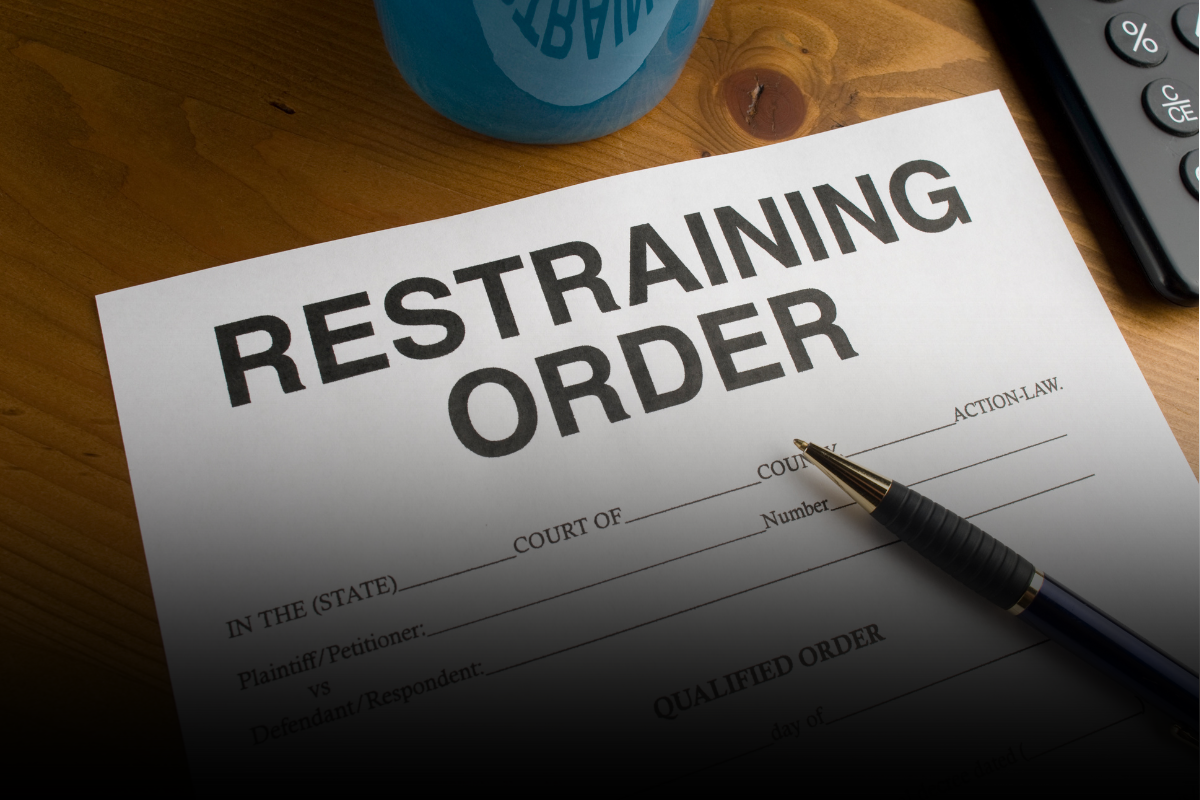
Being served with a restraining order can make you feel confused, devastated, and utterly disappointed. One moment, life is moving normally, and the next moment, you are holding a court document that tells you what you can and cannot do.
Whether the information in that order feels fair, inaccurate, or completely surprising, your next steps matter. How you respond now can shape your rights, your record, your relationships, and your future.
A restraining order brings questions, and we’re here to help you answer them. At Martine Law, we explain what the order means, what it doesn’t mean, and how to move forward wisely.
Moments like this call for reliable guidance, not confusion. We’re here to guide you every step of the way with care and clarity.
Feel free to contact us and share with us what’s in that order
Why It Matters to Understand the Order You Received
A restraining order, also known as a protective order or a DVPO, is a North Carolina court order that sets specific rules about contact and communication.
You may receive these orders during a separation or after a misunderstanding or conflict. And tell you what: sometimes the allegations don’t match the whole story.
What matters right now is understanding:
- What the order says
- Who requested it
- What actions are restricted
- When you must appear in court
Why You Should Not Ignore Even a Temporary Order
A temporary restraining order is still a court order. Even if you believe the allegations are untrue or unfair, you must follow every part of it until a judge reviews your side of the story.
Violating an order, even accidentally, can lead to:
- Criminal charges
- Arrest
- Fines
- Jail time
- A long-term protective order
This is why speaking with our experienced North Carolina criminal defense lawyer as early as possible helps you understand your responsibilities and prevent mistakes.
Received a Restraining Order: Take Your First Steps
Here is what you should do immediately:
- Read the Entire Order Carefully
Focus on what contact is prohibited.
Most orders limit:
- Phone calls
- Text messages
- Social media communication
- Physical contact
- Visiting certain locations
- 2. Follow Every Part of the Order Exactly
- Do not test boundaries or assume exceptions.
- Judges look closely at compliance.
- 3. Stay Calm and Stop All Communication With the Other Party
Even a friendly message can be seen as a violation.
- 4. Begin Gathering Information for Your Case
The most crucial evidence includes:
- Text messages
- Emails
- Photos
- Witness names
- Screenshots
- Timeline of events
- 5. Contact an Attorney Before the Court Date
Protecting your rights early makes a difference. Speaking with our North Carolina criminal defense lawyer helps you prepare for the hearing and present your side clearly.
How the Court Hearing Shapes Your Future
Most restraining orders start as temporary orders. The court then schedules a hearing to decide whether the order should become long-term.
At this hearing, both sides present evidence. You can:
- Explain your version of events
- Submit documents
- Bring witnesses
- Show communication history
- Challenge inaccuracies
The court’s decision at this hearing determines whether the order will remain in place for up to one year.
Why These Orders Can Affect More Than Just Contact
Many people do not realize that a restraining order can influence:
- Your job
- Your ability to carry firearms
- Your custody or parenting time
- Your reputation
- Your future legal cases
- Housing or background checks
This is why having a criminal defense attorney in North Carolina review the order is essential. These cases are not only about protection. They also shape long-term legal rights.
If You Believe the Order Is Based on False Information
This situation is more common than you may analyze or anticipate. Sometimes:
- A disagreement escalates
- Communication is misunderstood
- A partner or family member feels upset.
- Someone wants leverage in a separate legal matter.
If the order is based on claims you believe are inaccurate, the hearing is your opportunity to present evidence, establish context, and defend your rights.
Courts do not expect you to navigate this alone. Preparation and organization are key.
A Supportive Note as You Move Through This Moment
Being served with a restraining order does not say who you are as a person. It is simply a legal process that requires a proper response. If this moment feels uncertain, seeking professional legal guidance helps you move from confusion to clarity.
Don’t Indulge Yourself in These Activities After Being Served
We request you to refrain from:
- Contacting the person who filed the order
- Leaving threatening or emotional messages
- Posting about the case online
- Sharing details with mutual friends
- Ignoring the court hearing
- Showing up at restricted locations
- Assuming the order will be dropped automatically
These actions may affect how the judge evaluates your behavior.
How Our Team Stands Beside You When It Matters Most
At Martine Law, we offer end-to-end legal guidance with compassion, proven strategy, and an easy-to-follow order process.
When you connect with us, you receive support rooted in communication, professionalism, and a mission to protect your future.
Our team helps you by:
- Reviewing the order in detail
- Explaining what you can and cannot do
- Gathering evidence for your defense
- Preparing you for your court appearance
- Challenging inaccurate claims
- Protecting your rights at every step
You deserve a team that treats your case with urgency, respect, and clarity. That is our commitment to you.
Your Journey Forward Begins With One Call
If you have been served with a restraining order, this moment calls for calm direction and trusted support. Let us handle your case with care and make you comfortable with the right advice from top legal experts. Just call us at +1 (704) 842-3411 and speak with our lawyers to take the first step.