
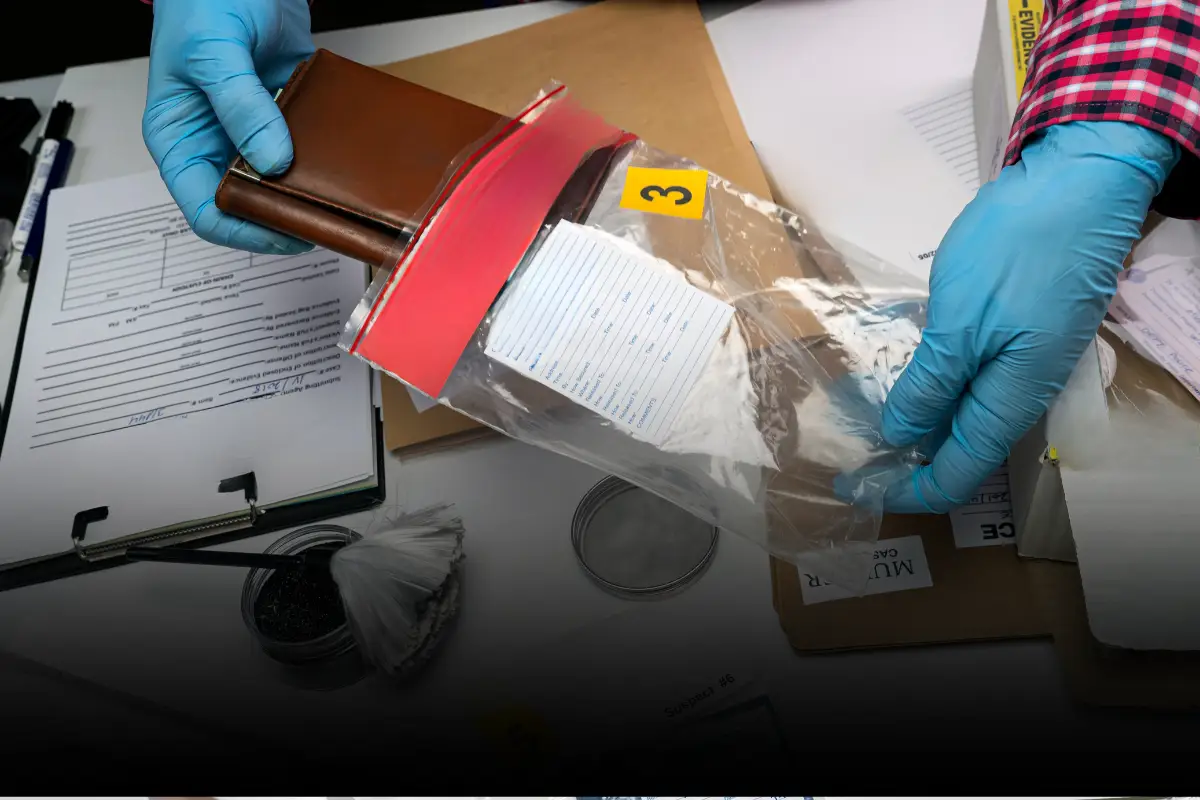
Your criminal charge may become more serious if investigators discover new evidence, document more severe injuries, confirm higher financial losses, or identify qualifying prior convictions. Prosecutors can reassess the legal classification and pursue felony charges when statutory elements are met. This change often happens during pretrial review, forensic analysis, or grand jury proceedings, reflecting how evolving facts influence charging decisions under North Carolina law.
Charges sometimes begin as misdemeanors but later become felonies when new evidence, injury severity, property values, or prior convictions change how conduct is legally classified.
You may encounter this shift as investigations continue and prosecutors reassess whether felony elements are supported by probable cause.
Understanding this process helps you anticipate potential legal exposure. These changes often reflect ongoing evidence review and procedural requirements rather than sudden decisions.
Martine Law explains how charging classifications can evolve during investigative and pretrial stages.
New Evidence Can Lead To Charge Reclassification
New evidence can justify reclassifying a charge because prosecutors must match allegations with statutory elements. As investigations continue, additional facts may show that felony criteria were present from the beginning or emerged later.
Common developments include:
- Medical records revealing serious bodily injury in assault cases
- Forensic testing identifying controlled substance weight thresholds
- Witness statements clarifying intent or use of a weapon
- Digital evidence establishing fraud value or scope
These updates often occur before indictment or during case review conferences. District attorneys may amend charging documents or seek a new warrant when legal elements shift.
Know More – Probation Eligibility for Felony Charges in North Carolina Explained by a Felony Defense Lawyer
Statutory Thresholds Determine Misdemeanor Or Felony Levels
North Carolina statutes classify many offenses by measurable thresholds. Property value, injury severity, or drug quantity can determine whether conduct constitutes a misdemeanor or felony. For example, general punishment classifications are outlined under North Carolina General Statutes § 14-3, which helps define how offenses are graded when statutes specify misdemeanor or felony levels.
| Offense Type | Misdemeanor Threshold | Felony Trigger |
| Larceny | Property value generally $1,000 or less | Value exceeds $1,000 or aggravating factor present |
| Assault | Minor injury or simple assault | Serious bodily injury or deadly weapon use |
| Drug Possession | Small personal-use quantity | Trafficking or higher weight thresholds |
| Fraud | Lower monetary loss | Higher loss amounts or pattern conduct |
When later evidence shows that a threshold has been exceeded, prosecutors may lawfully increase the charge level. Courts evaluate whether probable cause supports the amended classification.
How Threshold Changes Can Raise Charge Severity
A charge can become more serious when updated evidence shows that statutory thresholds for felony classification are satisfied. This often happens after appraisals confirm higher property values, medical documentation establishes serious bodily injury, or laboratory testing verifies drug quantities associated with trafficking offenses.
In practice, prosecutors may amend the criminal pleading, issue a new warrant, or seek a superseding indictment once probable cause supports the elevated classification. These developments can shift the case into Superior Court jurisdiction and expand potential sentencing exposure under structured sentencing laws. Pretrial release conditions and court timelines may also change as felony procedures apply. Understanding how threshold evidence evolves helps you anticipate why prosecutors revisit charging decisions as investigations progress and new facts emerge.
Prior Convictions Influence Repeat Offense Felony Decisions
A person’s criminal history can convert otherwise minor conduct into a felony when North Carolina statutes authorize enhancement based on prior convictions. Prosecutors review certified records to determine whether repeat conduct meets habitual or recidivist provisions. These legal frameworks can increase offense classification, sentencing exposure, and procedural complexity even when the new incident initially appears minor.
When do prior convictions trigger felony enhancements
Prior convictions can elevate future charges when specific statutes allow repeat conduct to be treated more seriously. For example, habitual misdemeanor assault under North Carolina General Statutes § 14-33.2 may convert a new assault into a felony if qualifying prior convictions exist. Likewise, habitual felon status under § 14-7.1 can increase punishment classification once prosecutors prove three prior felony convictions.
In practice, prosecutors must present certified conviction records and show that the prior offenses occurred before the current conduct. Courts then determine whether enhancement elements are satisfied before allowing reclassification or increased sentencing ranges. This process explains why a repeat offense felony NC situation may arise later in a case after criminal history verification.
Prosecutorial Review And Charging Amendments Occur Pretrial
Prosecutors may reassess charges during early case stages to ensure allegations align with available evidence and statutory elements. After an arrest or citation, law enforcement submits investigative materials such as reports, witness statements, and forensic results for legal screening and charging evaluation.
This review allows district attorneys to amend, dismiss, or refile charges supported by probable cause before grand jury consideration. If additional facts confirm felony criteria, courts may later permit superseding indictments in Superior Court, reflecting how charge levels can evolve as investigations and procedural requirements progress.
How Prosecutors May Amend Charges Before Indictment
Prosecutors may amend or replace initial charges before indictment when new evidence strengthens probable cause or clarifies statutory elements. This can occur after forensic testing, medical documentation, or additional witness interviews confirm facts supporting felony classification. In some situations, prosecutors may dismiss a misdemeanor charge and file a new felony allegation based on updated investigative findings.
Practical effects may include changes in court jurisdiction, pretrial release conditions, and potential sentencing exposure. Felony charges typically move the case to Superior Court and may involve grand jury review, expanded discovery obligations, and different procedural timelines. Understanding this process helps you anticipate why charge classifications can change during pretrial stages.
Procedural Timing Affects When Charge Upgrades Happen
The timing of a criminal case can influence when prosecutors decide to increase charge severity. While some upgrades occur soon after arrest, others develop later as investigations continue and additional evidence becomes available. Prosecutors must confirm that statutory elements supporting felony classification are supported by probable cause before pursuing higher-level charges.
Factors that commonly affect timing include:
- Laboratory testing turnaround for drug weight or forensic analysis
- Completion of medical evaluations documenting injury severity
- Financial reviews confirming fraud or theft loss amounts
- Grand jury scheduling and overall court case volume
Understanding how procedural timing works helps you anticipate potential changes in classification. Courts evaluate whether sufficient evidence exists at each stage, which explains why charge upgrades may occur after initial filings or pretrial review.
Delays in evidence review can impact charge upgrades
Delays in receiving key evidence can influence when prosecutors decide whether to increase charge severity. Laboratory analysis for controlled substances, medical documentation of injuries, or financial audits in fraud cases may take weeks or months to complete. Until this information is available, prosecutors may proceed with initial misdemeanor charges while reserving the option to amend classifications later.
In practical terms, timing can affect court scheduling, plea discussions, and discovery obligations. A later felony upgrade may move the case into Superior Court jurisdiction and extend procedural timelines. You may also experience changes in pretrial release conditions or defense preparation strategies. Understanding how evidence review delays impact charging decisions helps you anticipate why legal exposure can evolve as investigations continue.
Understanding Why Charges Become More Serious Over Time
Criminal charges can become more serious when new evidence, statutory thresholds, or prior convictions change how conduct is classified under North Carolina law. A misdemeanor upgraded to felony NC situation often develops through continued investigation, forensic analysis, or procedural review rather than sudden prosecutorial action. Courts evaluate whether probable cause supports amended allegations and whether felony elements are sufficiently established before allowing higher classifications to proceed.
Understanding these legal developments helps you follow case timelines, recognize possible sentencing exposure, and prepare for procedural shifts as a case progresses. If your charges are evolving or you need guidance on what to expect, you may book a free case evaluation by calling (704) 842-3411 or visiting the Contact Us page to discuss your circumstances and explore available legal options.
Frequently Asked Questions
Can prosecutors file new felony charges after dismissal?
Yes. Prosecutors may file new felony charges if a prior dismissal was entered without prejudice and additional admissible evidence later establishes probable cause. Timing depends on the applicable statute of limitations and whether witnesses or forensic findings strengthen the case. Courts also review whether refiling respects due process protections and avoids improper delay or harassment.
Does charge reclassification affect pretrial release conditions?
Yes. When a misdemeanor upgraded to felony NC situation occurs, courts may reconsider pretrial release conditions, supervision requirements, or travel restrictions. Felony classifications can trigger higher secured bonds or additional monitoring conditions. Judges evaluate updated risk factors, including offense severity and compliance history, when deciding whether existing release terms remain appropriate after charges change.
Can separate incidents be combined into a felony charge?
Yes. Prosecutors may legally combine related incidents into one felony when statutes allow aggregation and evidence shows a connected course of conduct. This often applies in financial or property offenses where cumulative losses exceed felony thresholds. Courts examine intent, continuity, and proof of linkage before allowing combined allegations to proceed as a single higher-level charge.
Does a criminal history always create repeat offense felony NC exposure?
No. Prior convictions lead to repeat offense felony NC exposure only when enhancement statutes specifically apply and required elements are proven. Some prior offenses instead increase prior record levels or sentencing ranges without changing the underlying charge classification. Courts also verify conviction timing and certification to determine whether enhancement provisions can be used.