
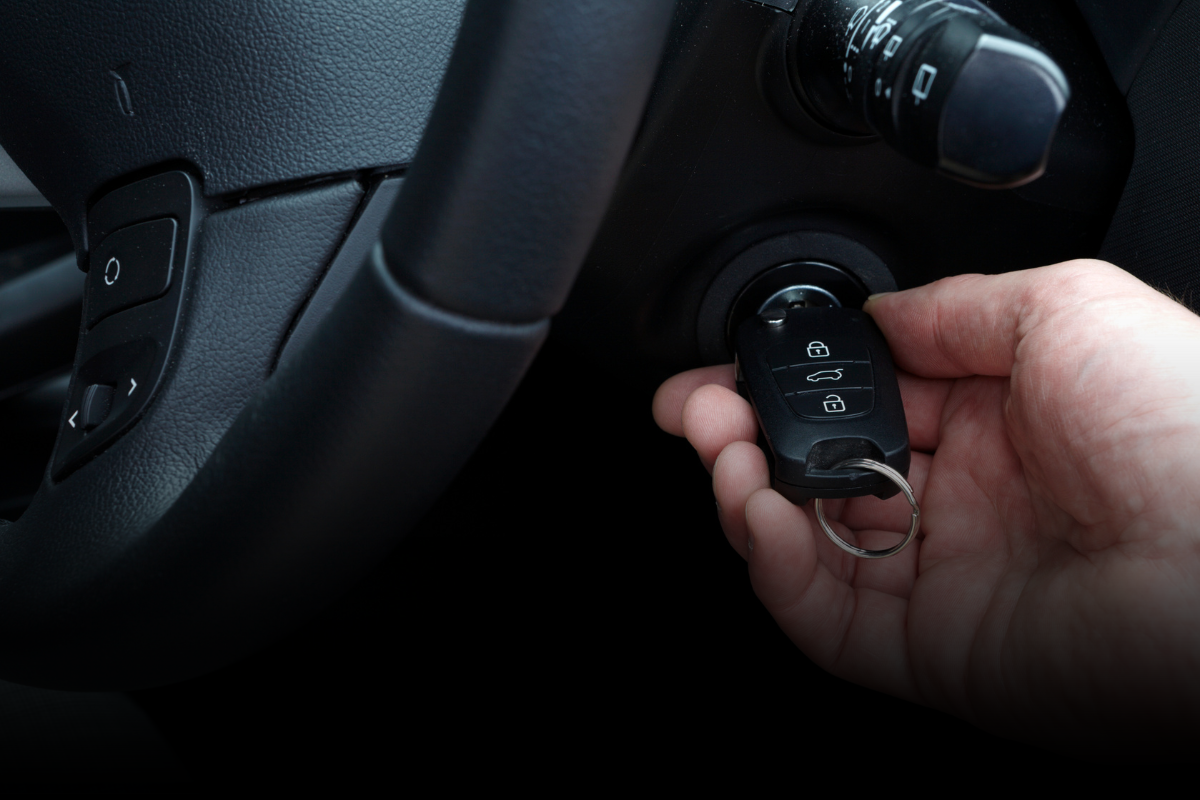
When your driving privileges are restored after a DWI conviction in North Carolina, it often comes with strict conditions — one of the most common being the ignition interlock requirement.
The ignition interlock device (IID) allows you to drive legally while ensuring that you don’t get behind the wheel after consuming alcohol. But violating the rules tied to your interlock can have serious consequences, including extended license suspensions, fines, or even criminal charges.
What Is an Ignition Interlock Device?
An ignition interlock device (IID) is a breath-testing system installed in your vehicle’s ignition. Before starting your car — and sometimes while driving — you must blow into the device to verify that your blood alcohol concentration (BAC) is below a set limit (usually 0.00 or 0.02).
If alcohol is detected, the car won’t start or will record a violation.
In North Carolina, ignition interlock devices are mandated by N.C. Gen. Stat. § 20-17.8 for certain drivers convicted of DWI offenses, particularly when:
- The driver’s BAC was 0.15 or higher,
- It was a repeat DWI offense, or
- The court ordered an IID as a condition of license reinstatement.
The device must be installed on every vehicle the driver owns or operates, and tampering with it is strictly prohibited.
How the Ignition Interlock Program Works
The North Carolina Division of Motor Vehicles (DMV) oversees the ignition interlock program. Once installed, the IID logs data on:
- BAC readings during start-up and rolling retests,
- Attempts to bypass or tamper with the system, and
- Missed calibration appointments or service checks.
The IID provider transmits this data to the DMV. If violations are reported, the DMV or court can impose penalties, including license suspension or program extension.
Common Ignition Interlock Violations
1. Early Removal or Failure to Maintain the Device
Removing or disconnecting the device before your required period ends is a major violation.
You are required to maintain the IID until the DMV confirms your eligibility for removal. If the DMV discovers the device was removed early or maintenance was missed:
- Your restricted driving privilege can be revoked, and
- You may be required to restart the entire interlock period from the beginning.
Even short lapses in compliance — like failing to appear for monthly calibrations — can reset your timeline.
2. Tampering or Attempting to Circumvent the Device
Tampering with an ignition interlock device is treated as a criminal offense under N.C. Gen. Stat. § 20-17.8(f).
This includes:
- Disconnecting, disabling, or covering the device’s sensors.
- Asking someone else to blow into it for you.
- Using air pumps, compressed air, or other methods to trick the test.
- Starting the car after the device is removed or altered.
If convicted of tampering or assisting someone else in doing so, you can face:
- Misdemeanor charges,
- Fines and jail time, and
- Extension or revocation of your restricted license.
Tampering is taken seriously because it undermines the safety purpose of the program — ensuring that impaired drivers don’t reoffend.
3. Failed or Positive Breath Tests
Failing a breath test doesn’t automatically mean your license will be revoked, but multiple positive readings can trigger serious consequences.
North Carolina sets strict thresholds:
- A BAC reading of 0.02 or higher (for zero-tolerance restrictions) or
- A BAC reading above the court-ordered limit (often 0.00).
Possible outcomes include:
- Extension of your interlock period (by months or more).
- Suspension of your license if repeated violations occur.
- A court hearing to determine whether you violated probation or your DWI conditional release.
Many false positives occur due to residual alcohol from mouthwash, medications, or even food — which is why documentation and calibration records are important to your defense.
4. Missed or Failed Rolling Retests
The IID may prompt you to take additional breath tests while driving (“rolling retests”) to confirm you remain sober. Failing or missing these tests can be logged as violations if:
- You don’t provide a sample within the allotted time, or
- You turn off the car to avoid the retest.
If a pattern of missed or failed tests appears, the DMV may extend the interlock requirement or revoke your restricted license entirely.
5. Driving a Non-Interlock Vehicle
Driving a vehicle not equipped with an IID while under interlock restriction is a serious offense.
Under § 20-17.8(g), doing so is treated as driving without a valid license, which can result in:
- Criminal charges,
- License revocation, and
- Restarting your interlock period.
If you share vehicles within a household, make sure every car you operate has a compliant device installed.
Penalties for Ignition Interlock Violations
The consequences of an ignition interlock violation depend on the type and frequency of the offense. They can include:
- Restarting the entire interlock period (for tampering or early removal).
- License suspension for noncompliance.
- Court hearings to determine whether probation was violated.
- Fines and misdemeanor charges for tampering or false reporting.
- Denial of license reinstatement until full compliance is verified.
The DMV or court may also require additional substance abuse treatment or counseling before restoring driving privileges.
Defenses and Remedies for IID Violations
If you receive notice of an alleged IID violation, don’t ignore it — you have options to contest or mitigate the consequences.
Common defenses include:
- Device Malfunction or Calibration Error – IIDs can produce false positives due to sensor issues, poor calibration, or temperature fluctuations.
- Unintentional Circumvention – Mechanical issues, dead batteries, or repair work can trigger tampering flags.
- False Readings from Non-Alcohol Sources – Certain foods, mouthwash, and medication can cause temporary BAC spikes.
- No Actual Control Over the Vehicle – If someone else drove or used your car, data logs can help prove you weren’t responsible.
An experienced North Carolina DWI defense attorney can request data logs, challenge inaccurate reports, and present evidence of good faith compliance to the DMV or court.
How to Request Early Removal of the Device
You may qualify for early removal of the ignition interlock if you’ve met all requirements and maintained a clean compliance record. The DMV typically reviews factors such as:
- No failed breath tests or tampering incidents.
- Completion of substance abuse assessments or treatment.
- Continuous compliance for the minimum required period.
Your attorney can file a request for review or assist with the removal process once eligibility is confirmed.
Key Takeaway
An ignition interlock violation in North Carolina can quickly derail your license restoration and lead to new criminal charges. Whether it’s a failed test, tampering allegation, or early removal issue, acting fast and getting legal help can prevent serious consequences.
If you’ve been accused of violating ignition interlock conditions or received notice from the DMV, contact the DWI defense attorneys at Martine Law. We’ll review your device records, challenge any false readings, and work to protect your license and your future.
Reach out today for a confidential consultation.
Primary Keyword: ignition interlock violation North Carolina
Meta Title: Ignition Interlock Violations in North Carolina: Rules & Penalties
Meta Description: Learn about ignition interlock violations in North Carolina, including tampering, early removal, and failed tests — and how to fight or prevent license penalties.