


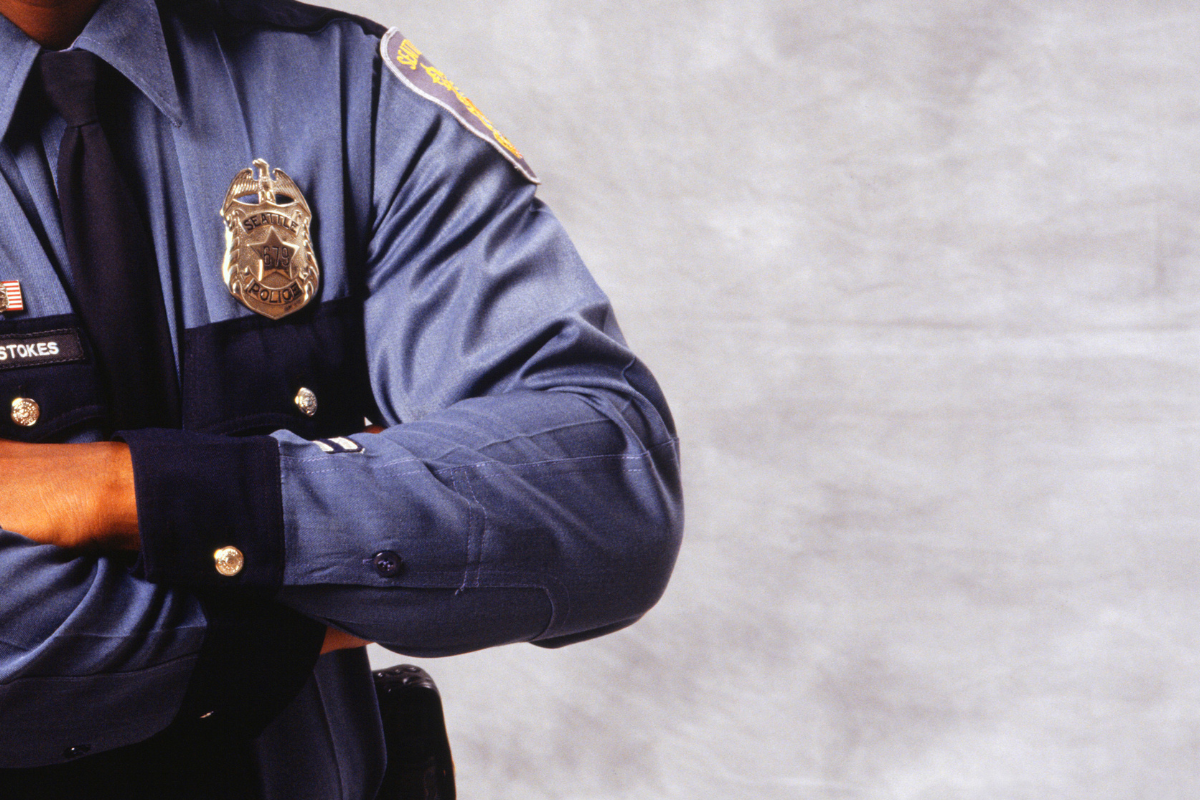
When you are called in for a police interview in North Carolina, it can be intimidating. Whether you are an adult or a juvenile, what you say in that room can directly impact your freedom and your future. Police interviews in NC are often used to gather information that may later be used against you in court. Knowing your rights before answering questions is essential.
At Martine Law, we have seen how a single statement during questioning can change the course of a case. Our experienced criminal defense attorneys in North Carolina know the tactics officers use and how to protect you during interviews or interrogations.
What are police interviews in North Carolina?
Police interviews in NC happen when law enforcement questions someone about a crime, either as a suspect, witness, or person of interest. They often occur at a police station, school, or even your home.
For adults, interviews may start casually, but officers are trained to make you talk. For juveniles, the situation can be even more complicated because minors may not fully understand their rights or the consequences of speaking without a parent or lawyer present.
North Carolina law allows police to question you, but you have the right to remain silent under the Fifth Amendment of the U.S. Constitution and Article I, Section 23 of the North Carolina Constitution.
To learn more about these legal protections, you can visit the North Carolina General Statutes and the NC Courts website.
How do police interviews work legally in North Carolina?
Legally, the police must follow certain procedures when conducting an interview or interrogation, especially if they want to use your statements in court.
Here’s what happens in most cases:
- Before questioning, police must inform you of your Miranda rights if you are in custody.
- You have the right to remain silent and the right to an attorney.
- If you ask for a lawyer, questioning must stop immediately.
- Juveniles (under 18) have extra protections. A parent, guardian, or lawyer should be present during questioning.
If officers continue questioning after you invoke your rights, your statements may be considered inadmissible in court.
Remember, even if officers seem friendly or say “this is just a chat,” their goal is to collect evidence. Always be cautious about what you say.
If you’re unsure how to respond, contact Martine Law before you speak.
What should you do if police ask to interview you?
If police contact you for questioning, stay calm and protect your rights. Here’s what to do:
- Ask if you are free to leave.
- If yes, politely walk away.
- Do not volunteer information.
- Anything you say can be used against you.
- Request a lawyer immediately.
- You have the right to legal representation.
- For juveniles: ask for a parent or attorney before saying anything.
- Do not sign any documents without your lawyer reviewing them.
You are never required to attend a police interview without a lawyer. Police may pressure you, but exercising your rights is not a sign of guilt. It’s a smart move.
If you or your child are being questioned, contact Martine Law’s criminal defense team at +1 (704) 842-3411 for immediate help.
Common risks during police interviews in NC
Many people underestimate how serious police interviews in NC can be. Even if you think you are innocent or just helping, your words can be twisted or taken out of context.
Common risks include:
- Self-incrimination: saying something that seems minor but suggests guilt.
- False confessions: especially under pressure or long questioning.
- Waiving your rights unintentionally.
- Juveniles being misled into confessing without understanding the situation.
Officers are legally allowed to use deception during interviews. They can lie about evidence or what others said. That’s why having a lawyer from Martine Law with you is essential.
What are your rights during a police interview?
Knowing your rights can protect you from making costly mistakes.
Here are the key rights you have in North Carolina:
- The right to remain silent (U.S. Const. Amend. V).
- The right to an attorney before and during questioning.
- The right to stop answering at any time.
- The right to have a parent or guardian present if you’re a minor.
- Protection from coercion or threats.
Police cannot punish you for using these rights. It is always better to stay silent and let your lawyer speak for you.
For more on juvenile rights, visit NC Department of Public Safety.
What if your rights were violated during questioning?
If police ignored your request for a lawyer, kept questioning you, or used threats, that’s a violation of your constitutional rights.
In such cases, your lawyer can:
- Ask the court to suppress (remove) statements made under pressure.
- Challenge how evidence was collected.
- File motions to dismiss parts of the case.
At Martine Law, we review every detail of your interview to ensure your rights were respected. Our attorneys know how North Carolina courts interpret these issues and can build a defense strategy that fits your situation.
Key takeaways
- You always have the right to remain silent and to have a lawyer present.
- Police interviews can feel casual but are legally serious.
- Juveniles must have a parent or attorney during questioning.
- Never assume the police “just want to talk.”
- A skilled defense attorney can protect you from mistakes that harm your case.
Understanding these rights helps you stay in control. If you’re contacted by law enforcement for questioning, call Martine Law or reach us at +1 (704) 842-3411. Acting early can make all the difference in your defense.