



Imagine sitting at home, enjoying the sunny afternoon. And then, you suddenly hear a knock at the door to find an officer on the other side informing you that you have been accused of theft. Everything changes in the spur of the moment.
You are panic-stricken and bewildered because you don’t know how to tackle this urgent situation. But for anything else, the first thing you must know is that North Carolina law classifies theft into two categories. So, it’s essential to understand which one is applicable in your case.
This is why you must understand state laws to gain clarity during this most challenging time.
If you have unfortunately fallen into this trap, you need strong legal support and guidance that is focused entirely on protecting your future. At Martine Law, we present your case and fight to prove your innocence, supported by substantial evidence and documentation.
Our experienced North Carolina theft defense lawyer helps you navigate the process more easily, moving you from uncertainty to clarity.
Why Theft Classification Matters More Today Than Ever
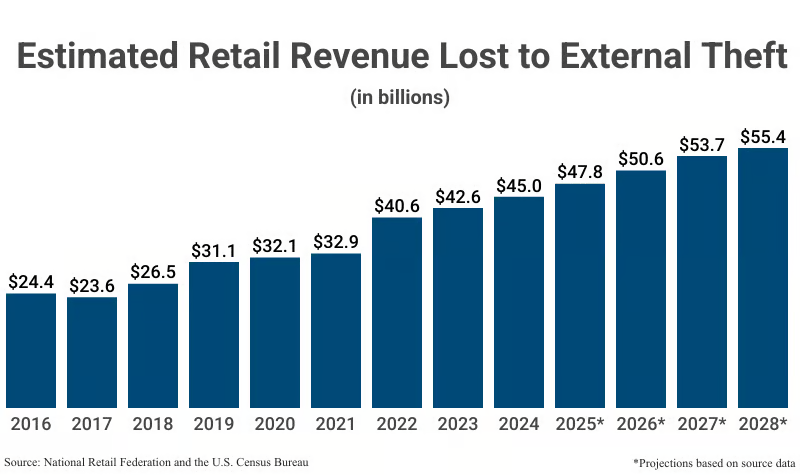
A recent study by Capital One reveals that North Carolina retailers lost around $1.813 billion due to theft.
Similarly, the research estimates that retailers nationwide will incur $55 billion in losses by 2028.
How NC Draws the Line Between Misdemeanor and Felony Theft
The North Carolina Courts consider the actual value of the stolen property to be the primary factor in determining division.
-
- Under $1,000
Usually, a Class 1 misdemeanor
- Under $1,000
- $1,000 or more
Automatically a Class H felony
This falls under N.C. Gen. Stat. § 14-72, the statute that defines how larceny is classified in North Carolina.
However, the property’s value is not always the determining factor. The court may categorize a theft as a felony even if the amount is lower in some instances:
-
- The accused has prior theft convictions
- The item stolen was a firearm
- The robbery occurred during a burglary
- The property belonged to a governmental agency
- The item was taken directly from a person
There may be instances where two theft cases appear similar at first glance, yet the court issues two different judgments.
Simplifying the Classification of N.C. Theft
| Type of Theft | How NC Law Classifies It | Possible Consequences |
| Property under $1,000 | Class 1 misdemeanor | Fines, probation, jail term up to 120 days |
| Property $1,000 or more | Class H felony | 4 to 25 months, often suspended |
| Firearm theft | Class H felony | Automatic felony regardless of value |
| Theft from a person | Class H felony | Treated more severely |
| Prior larceny convictions | Felony enhancement | The court may elevate the charge. |
| Shoplifting | Usually a misdemeanor, but it can escalate | Risk of civil penalties and bans |
This is how North Carolina law works, but real outcomes primarily depend on evidence, witnesses, the accused’s history, and how attorneys present the case in court.
The Hidden Consequences of Felony Theft in North Carolina
A felony is a serious crime and is not defined by a court file number. Being accused of theft or shoplifting can be a significant setback, both personally and professionally. It can create a void in:
- Employment opportunities
- Professional licensing
- Housing applications
- Immigration status
- Future background checks
- Educational opportunities
This is why you should consult our skilled shoplifting and property crimes attorney in North Carolina as early as possible.
We help negotiate reductions, challenge evidence, or pursue dismissal, standing by your side in this tough time.
How the Court Views the Juvenile Theft
Data from the North Carolina Department of Public Safety show that 52% of juvenile complaints in the state involve minor offenses, such as misdemeanor-level theft.

Courts handle juvenile theft crimes differently, with punishments less severe than those for adults. Judges often consider:
- Age
- School performance
- Family support
- Mental health
- Motivation behind the act
- Whether the child accepts responsibility
All these factors matter because a juvenile record does not automatically become an adult record. Taking necessary steps in the early stages can prevent long-term impact.
How to Protect Yourself if You Are Accused of Theft
If you are facing a theft charge, here are steps that protect your rights:
- Stay calm and avoid discussing the incident
- Gather receipts or documentation
- Do not miss any court dates
- Speak with a qualified attorney early
- Avoid speaking publicly or online
The best way to set yourself free from all accusations is to get in touch with our expert North Carolina theft defense lawyer, who will evaluate:
- Whether the evidence is weak
- Whether the charge can be reduced
- Whether diversion is possible
- Whether the case can be dismissed
Legal Guidance When You Need It Most
A theft charge can feel intimidating, but it does not define your worth or limit your future. Understanding how North Carolina classifies these cases helps you make informed decisions and take the appropriate next steps.
With clear guidance and the right strategy, you can address the situation in a way that protects your opportunities and helps you move toward stability.
If you want legal support that is steady, attentive, and entirely focused on your needs, Martine Law is here to help.
Call +1(704) 842-3411 to speak with a team that prioritizes your future.