


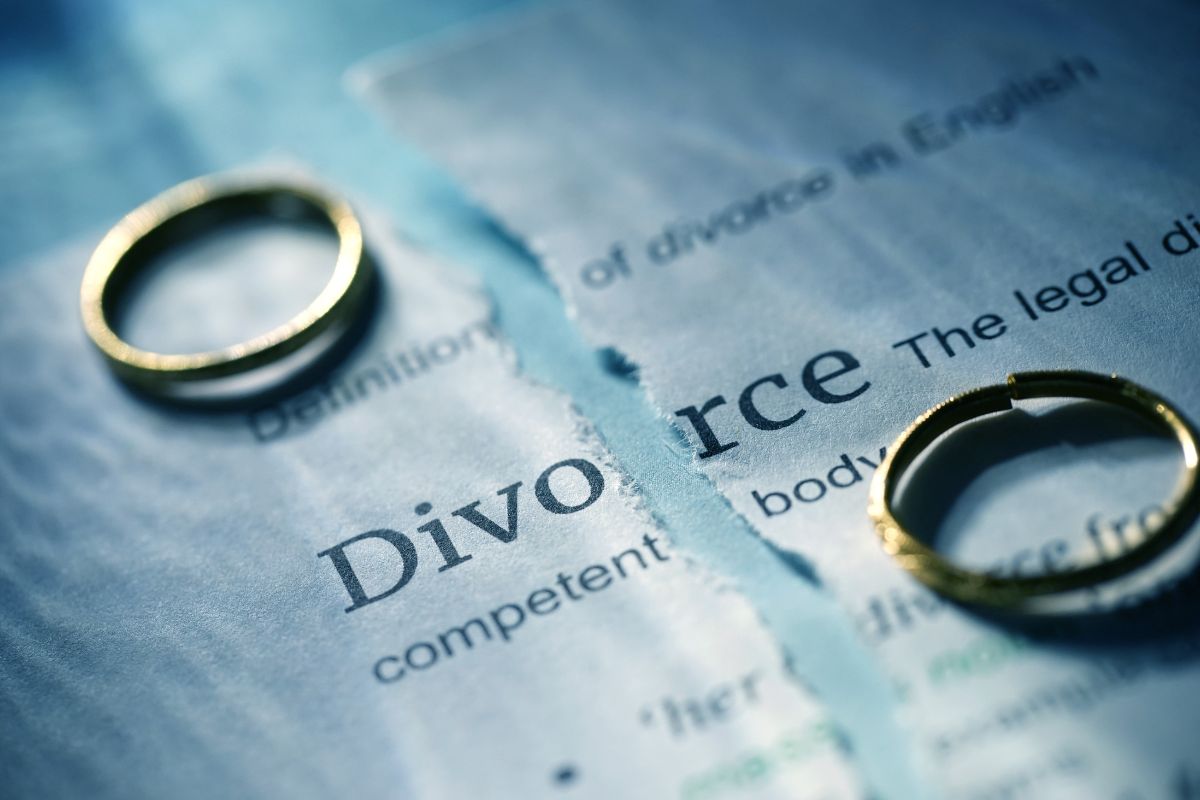
A divorce can leave you feeling unsure about what comes next, especially when your home is involved. You may be worried about where you will live, whether you can keep the house, or how this will affect your stability. These questions can feel heavy, but you deserve clear answers and support. If you are facing this situation, just know that you are not alone. North Carolina divorce laws can feel confusing, but you do not have to figure any of this out by yourself.
At Martine Law, we help people protect what matters most and make steady decisions during hard moments. Our North Carolina divorce lawyers team can explain your options and guide you on the steps you can take to protect your future.
What you will learn in this guide:
- What North Carolina law says about dividing the family home.
- How behavior, finances, and daily decisions during the marriage can affect ownership.
- Steps you should take if you want to keep the home or protect your share.
- Mistakes that often hurt people during property division.
- How a property division attorney in North Carolina can guide you.
What does the law say about dividing the home in a North Carolina divorce?
North Carolina follows equitable distribution. The law says that all marital property must be divided fairly, and fair does not always mean equal. The court looks at many factors to decide what is fair.
For example, if you and your spouse bought the home during the marriage, it is usually marital property. That means the home or its value must be divided. If one person owned the home before the marriage, part of the home may still be marital if both spouses contributed to it.
Now, imagine you bought the home before you married, but after the wedding, both of you made the mortgage payments. The equity built during the marriage may be divided even if the original purchase started as separate property. This is one of the most common surprises people face, and understanding it early can help you avoid costly mistakes.
What really happens to the home in real life?
The law gives structure, but people behave emotionally when the home is involved. Many spouses want the house for different reasons. You might want stability for your kids, a sense of comfort, or simply not to start over. Your spouse may feel the same way.
Common real-life situations include:
- One spouse wants to keep the home because the children are rooted in the school district.
- Both spouses want the home, but only one can afford the mortgage alone.
- Neither spouse wants it, but both want their fair share of the equity.
- The home carries debt, repairs, or emotional tension that makes keeping it harder than it seems.
These emotional layers matter just as much as the financial ones. A North Carolina divorce lawyer will help you understand which option aligns with your long-term goals, not just your stress in the moment.
Steps to take if you want to keep the home or protect your share!
- Collect all financial documents related to the home, including mortgage statements, tax records, and equity reports.
- Determine whether the home is marital, separate, or mixed property. This affects everything.
- Request a formal home appraisal so you know its true market value.
- Consider whether you can refinance the home into your own name if you want to keep it.
- Think about the long-term costs, such as repairs, taxes, and maintenance.
- Avoid moving out without a plan, since your living situation might influence negotiations.
- Speak with a property division attorney in North Carolina before making verbal agreements with your spouse.
Working with an attorney early can help your case stay organized and prevent misunderstandings.
A single conversation with a lawyer can make this clearer and less overwhelming.
How does the system handle the home legally in North Carolina?
The court looks at several factors when deciding what is fair under equitable distribution. These include:
- Each spouse’s income, debts, and financial needs.
- Each spouse’s contributions to the home, including mortgage payments, upkeep, or improvements.
- Whether one spouse will have primary custody of the children and needs stable housing.
- Whether either spouse wasted marital assets or caused financial harm.
- The value of each spouse’s separate property.
The court may divide the home by:
- Allowing one spouse to keep it and buy out the other.
- Ordering the home to be sold and dividing the proceeds.
- Allowing both spouses to keep ownership temporarily, especially if the children are still living there.
Common mistakes people make during this process!
- Moving out too quickly without a plan.
- Assuming the home stays with the person who bought it originally.
- Forgetting to evaluate long-term costs of homeownership.
- Making emotional decisions instead of financial ones.
- Not updating the mortgage or deed after the divorce is finalized.
- Agreeing to keep the home without knowing whether refinancing is possible.
- Avoiding legal advice until negotiations are already tense.
These mistakes are preventable with guidance from the beginning.
How does Martine Law help protect your home, your future, and your peace of mind?
At Martine Law, you are never treated like a case file. We take the time to understand your situation, your values, and what the home truly represents for you. Our team reviews the home’s history, gathers the financial records needed for a strong case, and builds a strategy that protects your stability. We negotiate firmly, prepare for hearings when needed, and make sure you understand every step. You will always have support from our attorneys, paralegals, and assistants whenever questions come up. For more information, you can
Talk with a North Carolina divorce lawyer today!
Your family home carries memories, meaning, and stability. You deserve guidance that treats it with the same level of care. If you are unsure what will happen to your home, you can talk with our team today or call +1(612) 979-1305 for support.