


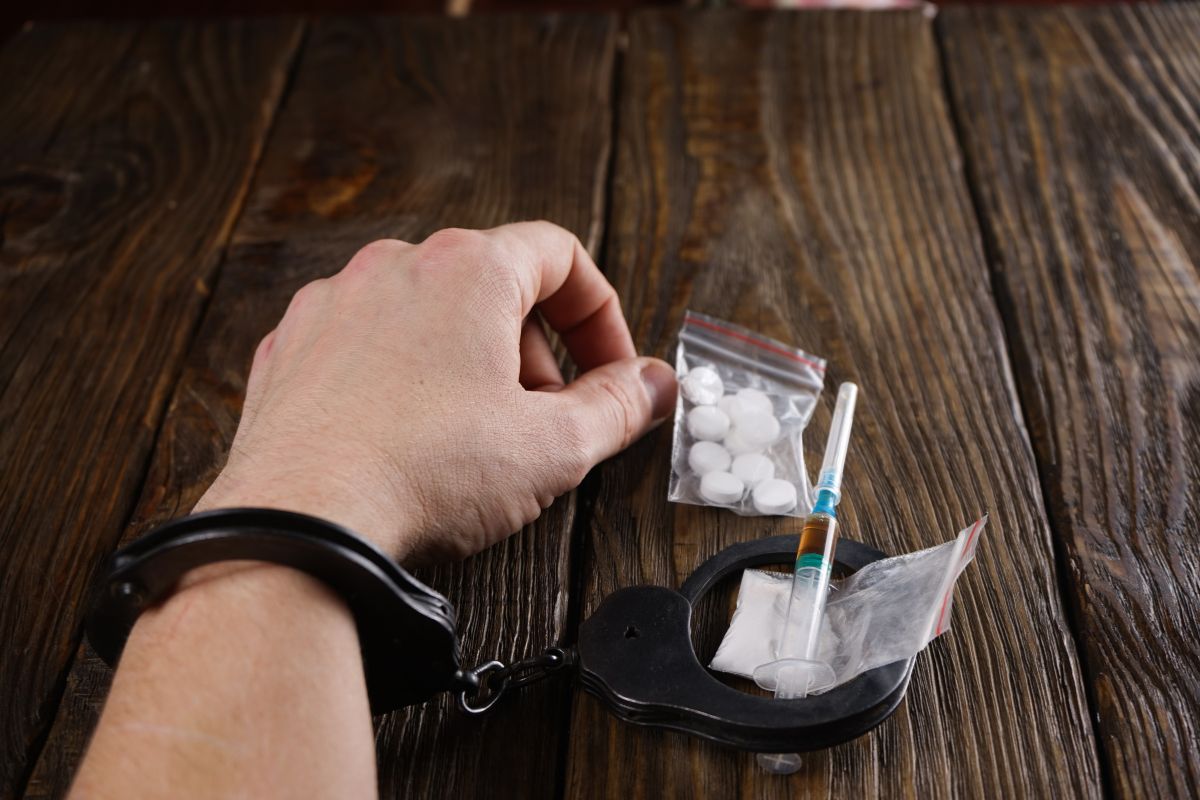
When you are hit with a drug possession charge in North Carolina, it can feel like everything shifts at once. Maybe you are worried about your job, how this will affect your future, or what your next court date even means. You might also be replaying the moment of the arrest, wondering what you should do now or how bad this could get. If you feel stressed, confused, or overwhelmed, you are not alone.
The good news is that you do not have to go through this alone or blindly. North Carolina drug laws can be complicated, but reaching out to a drug crime defense lawyer at Martine Law can help you protect your options and build a stronger defense. At Martine Law, we guide people through these situations every day. With over 20 years of experience in criminal defense, our team combines local knowledge, steady support, and strong legal strategy so you never face this process in the dark.
This blog will walk you through what really happens after a drug possession charge, what the law says, and what steps help protect you from the start.
What does drug possession mean in North Carolina?
Drug possession in North Carolina covers more than having drugs in your pocket or in your car. North Carolina drug possession laws come from North Carolina General Statute 90-95, which explains that it is illegal to knowingly have a controlled substance unless you have a prescription.
Under state law, possession can include:
- Actual possession, meaning drugs are found on you
- Constructive possession, meaning drugs are found near you, and the state argues you had control over them
- Shared possession, meaning more than one person may be charged, even when only one person physically had the drugs
Suppose you are driving your cousin’s car and an officer finds a small bag in the center console. Even if the drugs are not yours, you could still be charged if the officer believes you had control or knew they were there. Even small details can change the direction of your case, which is why having a drug possession attorney in North Carolina who understands how these distinctions work is essential.
The penalties depend on the type of drug, the amount, and your record. Each drug falls under a category listed in the North Carolina Controlled Substances Act. Even small amounts can lead to jail time, fines, probation, or a permanent criminal record.
How does the legal process work after a drug possession charge in North Carolina?
Once you are charged, the case follows a specific legal path. Knowing the process helps you understand what to expect and what actions can protect you.
1. Arrest or citation
Some drug cases begin with an arrest. Others start with a citation that requires you to appear in court. Even a citation can lead to jail time and a criminal record if you ignore it or skip court.
2. First court date
North Carolina requires you to appear for your first hearing. This is not a trial. It is the start of the case where you learn the charges and your next dates. Missing this hearing can lead to a warrant.
3. Discovery and evidence review
Your lawyer will review the evidence against you. This may include:
- Police reports
- Body camera footage
- Search warrant details
- Lab reports confirming the substance
- Witness statements
A drug possession attorney in North Carolina will look for errors, weak spots, or violations of your rights that could lead to a dismissal.
4. Negotiation or defense strategy
Your lawyer may pursue:
- Dismissal of the charges
- Reduction of charges
- Entry into a diversion or drug program
- Suppression of illegally obtained evidence
- Trial strategy if needed
North Carolina courts sometimes offer first-time offenders alternative programs instead of jail, depending on eligibility.
5. Trial or resolution
If the case does not resolve through negotiation or a program, it moves to trial. Many cases settle before this stage when the defense is strong.
What should you do if you are charged with drug possession in North Carolina?
There are steps you can take right now that can help protect your future.
1. Stay away from further trouble
Courts watch how you behave after the charge. Staying out of trouble helps your lawyer argue for better outcomes.
2. Do not talk to the police without a lawyer
Anything you say can be used against you. So stay calm and avoid discussing the case.
3. Show up for every court date
Missing a court creates bigger problems. A warrant can be issued, and you lose the chance to argue your case.
4. Save any paperwork and evidence
Keep tickets, court notices, or documents from police. Anything that helps show what happened is important. These details can help your attorney build your defense.
5. Contact a criminal defense lawyer as early as possible
This is one of the most important steps. A drug crime defense lawyer can look at the details quickly and begin protecting your rights. Waiting can limit the options available. At Martine Law, we treat every case with urgency and respect from the moment you call. Our team listens to your story, breaks down your options, and communicates clearly at every stage.
Possible outcomes in a North Carolina drug possession case
The outcome depends on your record, the facts, and the strength of the defense. Possible results include:
- Case dismissal
- Suppression of evidence
- Reduction of charges
- Entry into a drug education or treatment program
- Fines
- Probation
- Jail time
- A permanent criminal record
A strong defense can help you avoid the harshest penalties.
When to contact a drug crime defense lawyer?
You do not have to face this alone. Drug possession charges can feel like a heavy weight, but you have options, and you have people who will stand with you from the start. At Martine Law, we treat every client with the same respect and care we would want for our own families. The earlier you reach out, the more control you have over your case.
Our criminal law team is experienced with North Carolina drug laws and available 24/7 to answer your questions. You are never just a case file. You deserve someone who will listen, guide you through the process, and give you a clear, honest understanding of your options. You are a person with a life, responsibilities, and a future worth protecting. That philosophy guides every part of the way we work.
Reach out to us today and protect your future, or call us to speak with someone who will listen and help you take the next step forward.