


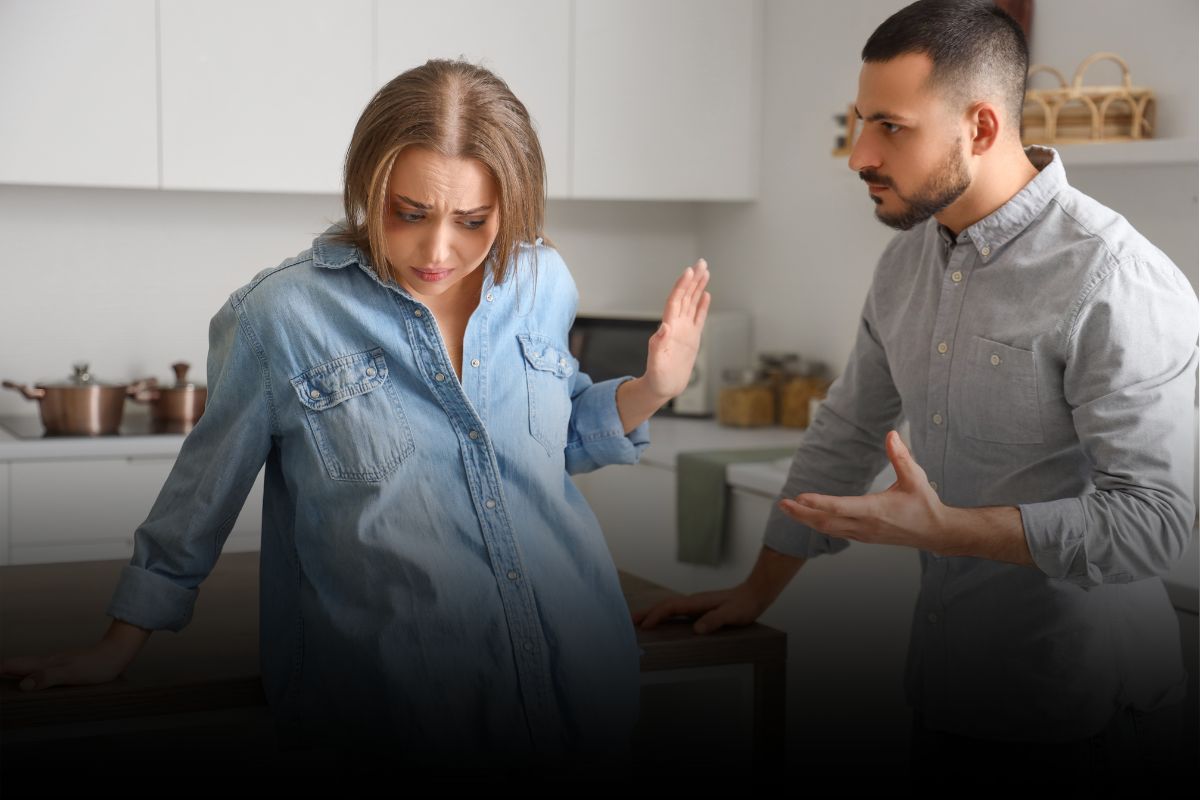
Domestic violence doesn’t just bruise the body, it bruises your sense of direction. Many people describe the moment they finally consider divorce as a strange mix of relief and fear:
“What happens now?” “Will the court believe me?” “How will this affect my kids?”
If you’re asking those questions, then you’re already carrying a lot.
In 2023, North Carolina law enforcement responded to 157,000+ domestic violence-related calls. Behind every call is someone who simply wanted safety and clarity, the same things you deserve.
And honestly, understanding how domestic violence shapes divorce outcomes can calm some of that inner storm. You don’t have to untangle this on your own.
Working with a North Carolina divorce lawyer from Martine Law gives you clear, step-by-step guidance for your situation. Our experienced local team and 24/7 paralegal support are here to help.
A Quick Look at How Common Domestic Violence Is in NC
Real numbers paint a clearer picture:
- According to the NC Department of Public Safety (2023), law enforcement agencies reported over 157,000 domestic violence–related calls, an increase from previous years.
- The NC Coalition Against Domestic Violence notes that nearly 35% of women and 30% of men in North Carolina experience intimate partner violence in their lifetime.
- In 2022 alone, North Carolina recorded 61 domestic-violence homicides.
These numbers show that the courts are not dealing with rare or isolated situations. They understand the emotional and practical complexities survivors face when seeking divorce.
Does Domestic Violence Affect Divorce Outcomes in North Carolina?
Yes, it does; and in several important ways.
North Carolina is technically a no-fault divorce state, meaning you don’t need to prove wrongdoing to get divorced.
But if domestic violence is involved, the court will consider abuse when deciding:
- Child custody
- Alimony
- Property division
- Protective orders
- Parenting schedules
- Post-separation support
Here’s a simple table to help explain:
Major Divorce Factors Affected by Domestic Violence
| Divorce Issue | How Abuse Influences the Court’s Decision | Key Statute |
| Child Custody | Courts prioritize child safety; may restrict or supervise the abusive parent’s visitation. | N.C. Gen. Stat. § 50-13.2 |
| Alimony | Abuse by the supporting spouse increases the likelihood and amount of alimony. | § 50-16.3A |
| Property Division | Violence that affects finances, stability, or housing may influence asset distribution. | § 50-20 |
| Protective Orders | DVPOs can remove the abuser from the home and grant temporary custody/support. | Chapter 50B |
| Immediate Separation Needs | Emergency filings and temporary orders move faster when safety is at risk. | § 50-5.1 |
If these laws seem overwhelming, don’t worry, you don’t need to remember every detail.
An experienced North Carolina divorce lawyer can help you figure out which factors matter most for your case.
Why Domestic Violence With Child Custody Is The Court’s Top Priority?
Domestic violence has a big impact on child custody decisions.
Judges look closely at:
- Any documented abuse
- Threats, intimidation, stalking
- How the child has been affected
- Emotional trauma (even if no physical injury occurred)
- The child’s statements (when appropriate)
- Whether there’s an active Domestic Violence Protective Order (DVPO)
In most divorces, parenting schedules are a main focus. In cases involving domestic violence, the main concern is keeping the child safe.
Courts may order:
- Supervised visits
- No overnight visits
- Temporary suspension of visitation
- Required counseling or anger management
- Safe exchange locations
At this stage, your path often becomes clearer. Safety is no longer just a concern, it becomes the top legal priority.
How Domestic Violence Impacts Property Division?
North Carolina uses equitable distribution.This means the court tries to divide marital property fairly, even if it’s not exactly equal.
Judges may consider domestic violence when deciding what is fair, especially if abuse has affected:
- Financial stability
- Employment
- Housing
- Access to money
- Medical treatment
- Emotional trauma
- The ability to earn income
Statistics show that North Carolina has about 3.2 divorces per 1,000 residents. Cases involving domestic violence often take 20-30% longer.
Our property division attorney can help you collect documents to support your case.
Can Domestic Violence Affect Alimony Awards?
Yes, it can, and in a big way.
North Carolina is one of the few states where marital misconduct, including domestic violence, can substantially impact alimony.
Abuse can influence:
- Whether alimony is awarded
- How much the dependent spouse receives
- How long do payments last
If the abusive spouse is the supporting spouse, the court is more likely to award stronger alimony protections to the victim.
If the abusive spouse is the one seeking alimony, the court may deny or reduce their request.
Domestic violence is seen as a serious wrongdoing that can directly affect how the court decides what is financially fair in a divorce.
Domestic Violence Protective Orders (DVPO): Why They Matter in Divorce
A DVPO under Chapter 50B can:
- Remove the abuser from the home.
- Grant temporary custody
- Award temporary child support
- Require the abuser to surrender firearms.
- Provide exclusive possession of the residence.
- Protect your privacy and location.
- Limit all contact
A DVPO can serve as strong evidence during your divorce.
Steps If Domestic Violence Enters Your Divorce
If you’re dealing with this, taking steady steps is important:
- Get a DVPO quickly through your local clerk. It’s free and fast.
- Document everything: photos, texts, calls, therapy notes.
- File for divorce after one year of separation; tie in abuse evidence.
- Opt for separate trials on custody if mediation feels unsafe.
More than 60% of North Carolina divorces involving domestic violence settle before trial when you have professional guidance, which can reduce stress.
Martine Law’s team, including 24/7 paralegals, is here to support you. For immediate help, call us at +1 (704) 842-3411.
How Martine Law Guides You Through DV Divorce Impacts?
If you’re going through a divorce involving domestic violence, you deserve a support system that puts your safety, dignity, and future first. Martine Law’s experienced local family lawyers and 24/7 paralegal support are always here for you.
We help you:
- File for emergency custody or protective orders
- Document abuse for the court
- Protect your financial rights.
- Secure a fair property settlement.
- Strengthen your alimony claim.
- Build a safety-focused custody plan.
- Navigate hearings with confidence.
- Stay grounded emotionally and legally.
With Martine Law’s honest advice and local experience, your uncertainty can turn into a clear path forward, built on respect and real results for families like yours.
A Final Word of Support
Leaving an abusive marriage is one of the bravest things you can do. It’s normal to worry about your children, your finances, your home, and your emotional well-being—all at once.
North Carolina courts are set up to protect you. With the right help, you can rebuild your stability and peace.
Work with a North Carolina divorce lawyer who will stand by you at every step, protect your rights, and help you move forward with strength and confidence.
Call Martine Law at +1 (704) 208-4234 and book a confidential consultation.