
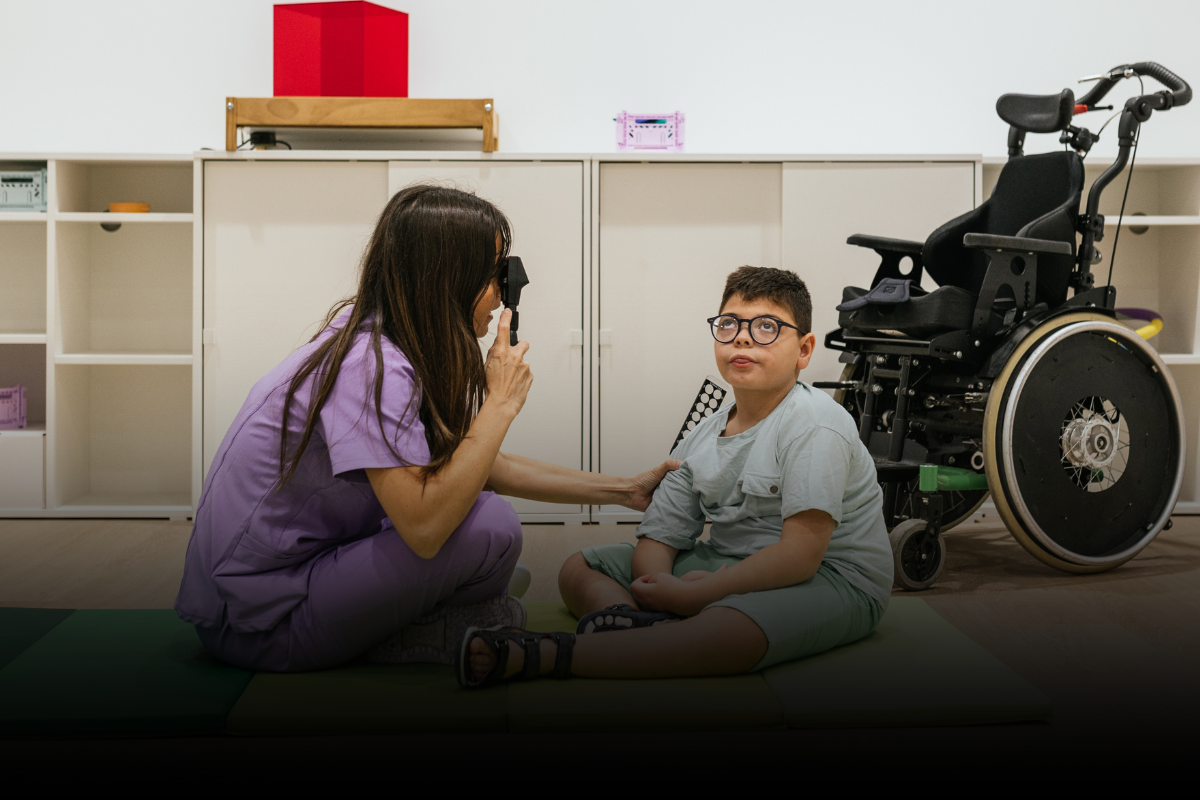
Custody disputes are rarely simple, but when a child has special needs, the situation becomes even more complex. Parents must balance the emotional, physical, and financial demands of raising a child who needs additional care — while also navigating North Carolina’s custody laws.
This blog explains how courts handle custody involving children with disabilities or special medical, emotional, or educational needs, what factors judges consider, and how parents can create a parenting plan that truly supports their child’s well-being.
How North Carolina Custody Law Works
In North Carolina, custody decisions are based on one guiding principle: the best interests of the child (N.C. Gen. Stat. § 50-13.2). This standard applies to all custody cases, including those involving children with special needs.
Courts can award:
- Legal custody — the right to make major decisions about the child’s upbringing (education, medical care, therapy, religion).
- Physical custody — where the child lives and who provides day-to-day care.
Both parents can share custody (joint custody), or one parent can have primary custody if it’s best for the child.
When a child has unique medical or developmental needs, judges give special attention to how each parent can meet those needs consistently and effectively.
How Special Needs Affect Custody Decisions
Children with disabilities may require more medical appointments, special education programs, therapy, or daily care routines. Because of this, North Carolina courts take additional factors into account when determining what’s in the child’s best interest, such as:
- The child’s diagnosis and level of care required.
For example, children with autism, ADHD, cerebral palsy, or chronic illnesses may need stable schedules, individualized education plans (IEPs), and specific therapy environments. - Each parent’s ability to meet those needs.
The court considers whether each parent can manage treatments, medications, school communication, and appointments. - Consistency and structure.
Many children with special needs rely on routine. Judges look for parenting plans that reduce disruption and provide predictable care. - Financial stability and access to resources.
The ability to cover medical, educational, and support expenses plays a major role in custody outcomes. - Cooperation between parents.
The court values parents who can communicate respectfully and make joint decisions about therapy, education, and medical care.
Medical and Educational Considerations
Custody cases involving special needs children often overlap with medical and educational planning. A parent’s understanding of the child’s condition and willingness to collaborate with professionals is crucial.
Examples of relevant considerations include:
- Attendance and participation in Individualized Education Program (IEP) meetings.
- Willingness to coordinate with doctors, therapists, and specialists.
- Access to reliable transportation for appointments.
- Ability to follow prescribed treatment or behavioral plans.
If one parent routinely manages these responsibilities, that may influence the court’s decision about primary custody.
Custody Modifications for Changing Needs
A child’s needs may evolve over time. What worked at age five may not be appropriate at age ten or fifteen.
North Carolina law allows parents to request a custody modification if there has been a substantial change in circumstances affecting the child’s welfare (N.C. Gen. Stat. § 50-13.7).
Common reasons for modification include:
- A new medical diagnosis or worsening condition.
- The need for specialized education or therapy.
- A parent relocating to access better services.
- A change in the child’s ability to communicate or function independently.
When filing for modification, parents must show that the change directly affects the child’s well-being and that the proposed adjustment better serves their best interests.
Creating a Parenting Plan for a Child With Special Needs
A thoughtful parenting plan can reduce conflict and ensure that the child’s unique needs are met consistently.
Key elements to include:
- Detailed care schedule for medications, therapy, and routines.
- Communication guidelines between parents for updates and emergencies.
- Education and medical decision-making protocols — who attends IEP meetings, who manages appointments, etc.
- Transportation and scheduling flexibility for therapy sessions.
- Contingency plans for emergencies or health crises.
Parents may also agree to use co-parenting tools or mediation to handle future disputes without returning to court.
Financial Support for Special Needs
Raising a child with special needs can bring higher expenses for medical care, therapies, adaptive equipment, and education.
In addition to standard child support, North Carolina courts can order extraordinary expenses under N.C. Child Support Guidelines when a child requires:
- Specialized medical treatment.
- Private education or tutoring.
- Psychological or occupational therapy.
Parents may also explore federal or state assistance programs, such as Supplemental Security Income (SSI) or services through the North Carolina Department of Health and Human Services (NCDHHS) for developmental disabilities.
For more on public benefits and special education rights, visit ncdhhs.gov.
How Courts View Parental Cooperation
Judges prefer to see parents working together. Even if parents disagree on specific care strategies, courts favor those who show respect and flexibility.
Hostile behavior, refusal to share medical information, or deliberate interference with treatment plans can negatively affect custody outcomes.
If cooperation is difficult, the court may require:
- Parenting coordination under N.C. Gen. Stat. § 50-90,
- Or a therapeutic mediator to help resolve ongoing disputes.
When to Hire a Custody Lawyer
If your child has special needs, a North Carolina family law attorney can help you:
- Present medical and educational evidence to the court.
- Draft or modify a parenting plan that fits your child’s needs.
- Secure appropriate child support or extraordinary expense orders.
- Work with specialists and guardians ad litem to advocate for your child.
Because every family’s circumstances are unique, legal guidance ensures that your parenting plan reflects both your child’s best interests and your rights as a parent.
Key Takeaway
Custody cases involving special needs children in North Carolina require compassion, structure, and strong advocacy. Courts prioritize what helps the child thrive — stability, access to care, and cooperative parenting.
If you are navigating custody issues for a child with special needs, you don’t have to handle it alone. The team at Martine Law understands the legal and emotional challenges families face. We’ll help you protect your child’s well-being and secure a plan that supports their future.
Contact us today to discuss your case with an experienced custody lawyer.