
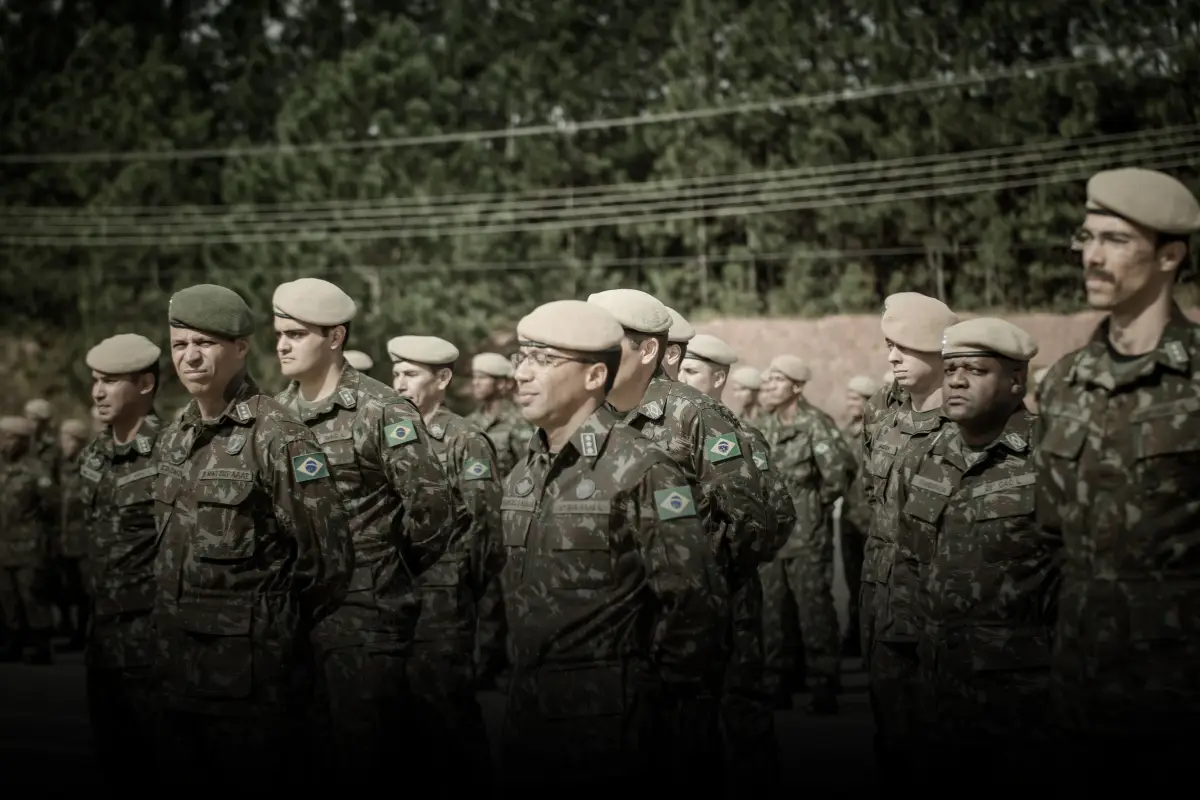
Divorce is never easy, and when one or both spouses serve in the military, the process comes with added challenges.
North Carolina has a large military population, with many service members stationed at bases like Fort Liberty (formerly Fort Bragg) and Camp Lejeune. If you are a military family facing divorce, it’s important to understand the unique rules and protections that apply.
Contact Martin Law attorney today.
Residency and Filing Requirements
To file for divorce in North Carolina, at least one spouse must have lived in the state for six months before filing. For military families:
- A service member can establish residency in North Carolina if stationed here, even if their official home of record is elsewhere.
- Spouses living in NC with a service member may also qualify to file.
This flexibility ensures that military families don’t have to return to their home state just to start divorce proceedings.
The Servicemembers Civil Relief Act (SCRA)
The Servicemembers Civil Relief Act (SCRA) provides important protections for active-duty members involved in civil cases, including divorce.
- Courts may grant a stay (delay) of proceedings if active-duty service prevents a member from appearing in court.
- Default judgments cannot be entered against a service member who does not appear unless certain requirements are met.
- These protections ensure service members are not disadvantaged by their duty obligations.
Contact Martin Law and protect yoru right
Division of Military Benefits
Military divorces often involve unique property division issues. North Carolina follows equitable distribution, but federal law also plays a role in dividing benefits.
Military Retirement Pay
- Governed by the Uniformed Services Former Spouses’ Protection Act (USFSPA).
- State courts may treat disposable retired pay as marital property and divide it between spouses.
- The “10/10 rule”: The Defense Finance and Accounting Service (DFAS) will send retirement payments directly to the former spouse if the marriage lasted at least 10 years overlapping with 10 years of service.
Thrift Savings Plan (TSP)
- Divided like a civilian 401(k), usually through a court order.
Healthcare Benefits
- Spouses may qualify for continued military healthcare under the 20/20/20 rule (20 years married, 20 years of service, 20 years overlapping).
- Under the 20/20/15 rule, limited benefits may apply if there was at least 15 years of overlap.
Child Custody and Support Considerations
Military service can complicate custody arrangements, especially with deployments or frequent relocations. North Carolina courts prioritize the best interests of the child but also account for the realities of service.
- Custody orders can include special provisions for deployment and visitation schedules.
- Service members are still responsible for child support, regardless of deployment status.
- Military pay and allowances are factored into support calculations.
Spousal Support and Alimony
Military service doesn’t exempt a spouse from paying alimony if ordered by the court. However:
- Housing allowances and other benefits may be considered when calculating income.
- Failure to comply with support orders can lead to military disciplinary action in addition to civilian penalties.
Why Military Divorce Requires Legal Guidance
Military divorces combine North Carolina family law with federal protections and benefits rules. Without the right legal guidance, you risk losing valuable rights or benefits. An experienced attorney can help by:
- Navigating both state and federal rules for property division
- Ensuring military retirement and healthcare benefits are divided fairly
- Protecting custody rights during deployment
- Making sure support orders comply with military and state law
Key Takeaways
- Military families can file for divorce in NC if one spouse lives or is stationed here.
- The SCRA protects service members from unfair default judgments.
- Military benefits like retirement, TSP, and healthcare are subject to special division rules.
- Custody and support orders must consider deployment and military pay.
- Skilled legal help is essential for protecting your rights in a military divorce.
Divorce in the military is complex, but you don’t have to navigate it alone. At Martine Law, our family law attorneys understand both North Carolina divorce law and the unique challenges facing military families.